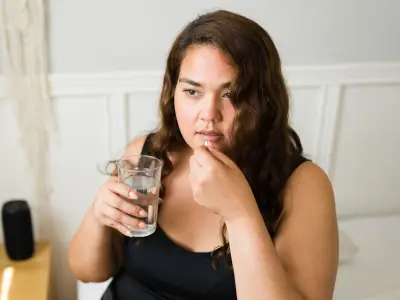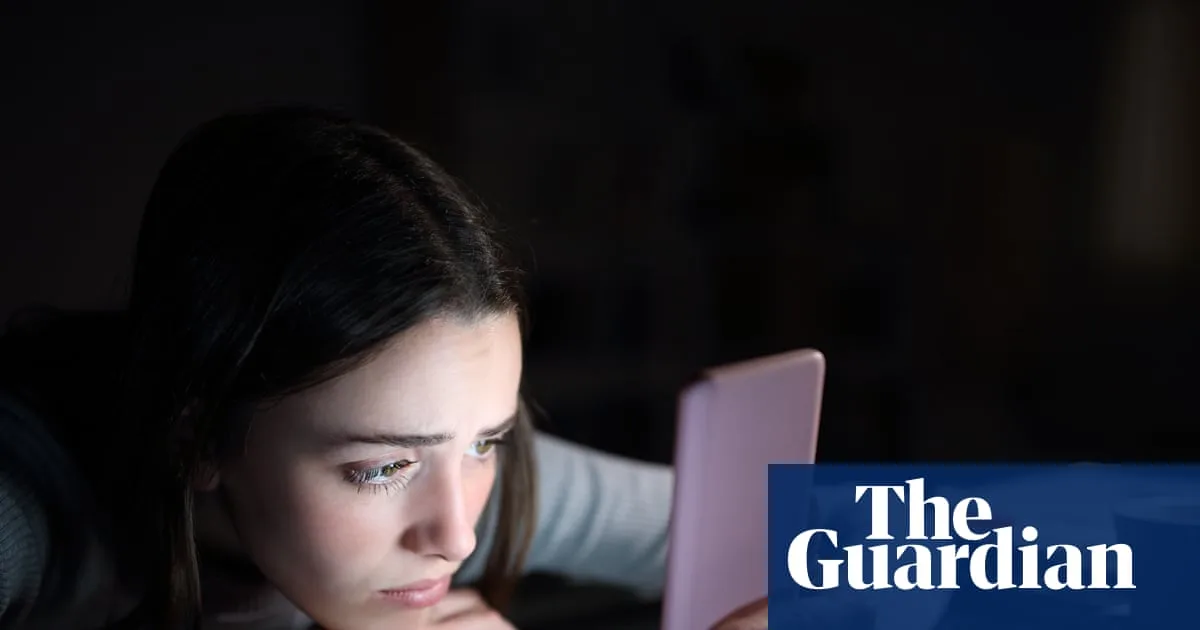
A Guardian investigation has revealed that more than half of the top 100 trending videos offering mental health advice on TikTok contain misinformation. The study, which involved psychologists, psychiatrists, and academic experts reviewing the posts, found that 52 out of 100 videos under the #mentalhealthtips hashtag included false or misleading content.
Experts identified common issues such as misused therapeutic language, promotion of unproven supplements, and oversimplified solutions. Examples included advice to eat an orange in the shower to reduce anxiety, claims that supplements like saffron or magnesium glycinate can alleviate anxiety, and methods promising to heal trauma within an hour. Some videos also presented normal emotional experiences as signs of serious mental illness.
David Okai, a consultant neuropsychiatrist at King's College London, noted that some posts used terms like wellbeing, anxiety, and mental disorder interchangeably, causing confusion. He added that the short-form videos often overshadowed the nuanced realities of therapy, which is not a quick fix. Dan Poulter, a former health minister and NHS psychiatrist, warned that pathologising everyday experiences trivialises serious mental illness.

Amber Johnston, a British Psychological Society-accredited psychologist, said trauma-related videos over-generalised symptoms, ignoring the individual nature of PTSD. She argued that suggesting universal tips could make viewers feel like failures when the advice does not work. TikTok stated it removes videos that discourage seeking medical help or promote dangerous treatments, and directs UK users to NHS information for mental health searches.
MPs and experts called the findings 'damning' and urged stronger regulation. Labour MP Chi Onwurah said the technology committee is investigating social media misinformation and questioned the effectiveness of the Online Safety Act in addressing false content.