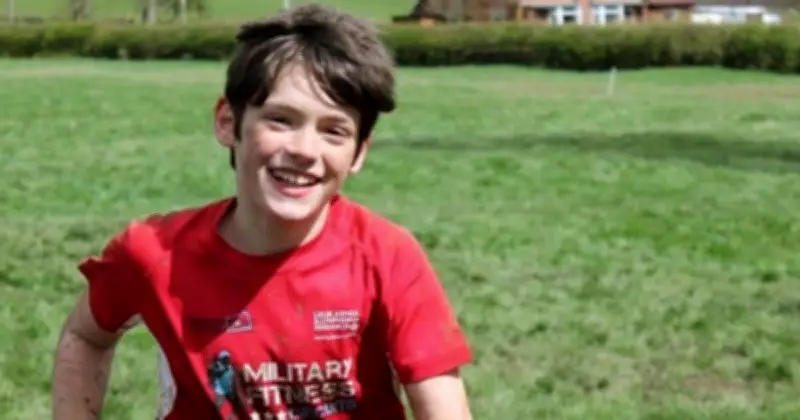
Fred Bennett, a 13-year-old who was always on his bike, skateboard, or climbing trees, died of acute lymphoblastic leukaemia in May 2020, just nine months after his diagnosis. His family is now campaigning with CCLG: The Children and Young People's Cancer Association to help other families avoid the same suffering.
Fred's symptoms began with tiredness and a loss of appetite, which his family put down to typical teenage changes and the end of the school year. When his glands began to swell, they took him to the GP, suspecting glandular fever. A blood test revealed the cancer, and within hours he was being prepared for treatment. Despite doctors' best efforts, the treatment did not work.
Family urges parents to recognise patterns of change
Fred's mother, Louise, said they were well informed about the signs of meningitis, sepsis, and other childhood illnesses, but cancer symptoms can be vague and wide-ranging, so it is not something parents or GPs automatically consider. She said: "We were so informed about the signs of meningitis or the signs of sepsis or signs of all of those other childhood illnesses, whereas cancer symptoms can often be quite vague and can often be quite wide-ranging, so it's not something that parents or actually GPs necessarily automatically go to."

She added: "And obviously it's the last thing that parents want to think is the matter with their child, but it's just recognising those symptoms. With Fred, although his leukaemia did come on quite suddenly, all of the symptoms that he had could very easily have been explained away. It's only looking back when you put all of those symptoms together as a group that you can see, 'Oh, actually, yes, of course'."
Risk comparable to other serious childhood conditions
CCLG is urging parents and carers to look out for patterns of change in their child's health, warning that the risk of developing childhood cancer is comparable to other serious childhood conditions, including diabetes, epilepsy, and bacterial meningitis.
Dr Sharna Shanmugavadivel, a paediatric emergency medicine doctor and the Child Cancer Smart Lead at CCLG, said: "While childhood cancer is uncommon, it is important that families understand it is not as rare as many people may think. Many people will be surprised to learn that the risk of a child developing cancer is comparable to the risks of other childhood conditions."
She added: "Unfortunately, childhood cancer can be difficult to recognise because many symptoms, such as headache, vomiting or changes in behaviour, are also common in everyday childhood illnesses. Rather than focusing on a single symptom, we are encouraging parents and carers to look out for patterns of change in their child's health that may need investigating. Parents know their child better than anyone. Our aim is not to cause concern, but to empower families with the knowledge and confidence to recognise when something feels different, speak to a healthcare professional when needed, and support earlier diagnosis that can improve outcomes for children with cancer. If symptoms don't go away after two weeks or something doesn't feel right, trust your instincts and see a doctor."
Common signs of childhood cancer
Symptoms vary depending on the type of cancer, but some of the more common signs and symptoms include persistent tiredness or paleness, repeated infections, flu-like symptoms that don't go away, unexplained bruising or bleeding, ongoing fever or night sweats, persistent aches or pains, unexplained lumps or swelling, limping or leg weakness, changes in bowel habits, unexplained weight loss, slow growth, and changes in behaviour.
CCLG is raising awareness through its Child Cancer Smart Campaign, a health awareness campaign designed to help parents, children, teenagers, young adults, and healthcare professionals recognise the early signs of cancer.