A sleep expert has warned that a 'massively underdiagnosed' condition could be behind many people's restless nights, with serious consequences for their overall wellbeing. According to NHS Inform, roughly one in three Britons struggle to get a sufficient amount of sleep each night.
"Despite how well known it is, sleep apnoea is an incredibly undiagnosed condition," says Dr Sandip Banerjee, Respiratory Consultant and Sleep Specialist at Private Sleep Clinic. "It's estimated that 8-10 million people live with the condition in the UK, with around 80 per cent of cases remaining undiagnosed."
He warns: "That's a huge number of people out there who don't even realise they have a condition that is regularly affecting almost every aspect of their day-to-day lives." Long-term sleep deprivation associated with sleep apnoea can take a toll on your metabolism and heighten your risk of developing insulin resistance, type 2 diabetes, and fatty liver disease, reports the Mirror.
What is sleep apnoea?
Sleep apnoea is a catch-all term for sleep disorders that cause your breathing to repeatedly stop and start throughout the night. The most prevalent form of the condition is obstructive sleep apnoea (OSA).
Sleep apnoea is a serious health concern because it repeatedly disrupts your breathing while you're asleep, leading to plummeting blood oxygen levels and prompting your brain to rouse you enough to resume breathing. These repeated, abrupt oxygen drops unleash a surge of stress hormones that place enormous pressure on your heart and blood vessels. Left unchecked, this relentless nocturnal strain dramatically increases your chances of developing hypertension, as well as abnormal heart rhythms, cardiac arrests, heart failure, and strokes.
"OSA occurs when your throat and soft tissues relax during sleep, causing a blockage in your airways," Dr Banerjee explains. "This blockage then causes constant disruption to your sleep throughout the night as your body struggles to get enough oxygen, with intermittent hypoxia being one of the hallmark features of the condition."
Three symptoms to spot
Usually, the most widely recognised and simplest symptom to spot is noisy snoring, or comparable sounds while sleeping. However, there are additional warning signs of the disorder that you might not associate with the condition.
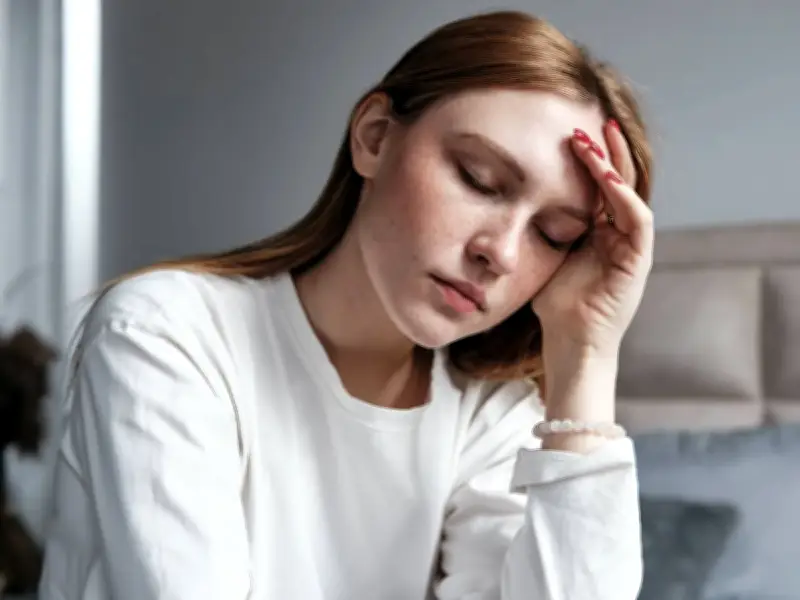
Dr Banerjee explains: "The symptoms of sleep apnoea are most apparent during the day itself. When you wake up, you'll often have a very dry mouth and throat, along with occasional morning headaches due to the hypoxia. As you continue through the day, you'll usually feel more tired than you should, along with experiencing heightened levels of fatigue and weakness."
Symptoms of sleep apnoea mainly happen while you sleep. They include: your breathing stopping and starting, making gasping, snorting or choking noises, waking up a lot, and loud snoring. During the day, you may also feel very tired, find it hard to concentrate, have mood swings, or have a headache when you wake up.
What should you do if you think you might have sleep apnoea?
Should you suspect you might be suffering from sleep apnoea, your first port of call should be your GP. Given the considerable number of potential complications that can arise from OSA, an early diagnosis is strongly advisable.
Prior to your appointment, Dr Banerjee recommends recording audio or video of yourself sleeping to present as evidence and to assist your GP in reaching a more informed conclusion. Should your doctor believe you may have sleep apnoea, they could refer you to a specialist clinic for further examination, typically involving the use of monitoring devices worn overnight to track your sleep patterns. He notes that this can usually be carried out in the comfort of your own home.
Your treatment plan will vary according to your test results and the severity of your condition. "For some, sleep apnoea can be treated by certain lifestyle changes, such as quitting smoking, avoiding alcohol, and losing weight, all of which can improve the quality of your sleep," Dr Banerjee says.
"For more serious sufferers, you may be given a continuous positive airway pressure machine, also known as a CPAP machine. These machines work by gently pumping air into a mask worn over your nose and mouth whilst you sleep, helping to improve your breathing and alleviate the symptoms of sleep apnoea."
Given how widely undiagnosed sleep apnoea remains, and the sheer number of complications it can trigger, the doctor stresses the importance of consulting a medical professional if you think you might be affected. Dr Banerjee explains: "While an increased likelihood of suffering from poor mental health is one of the key aspects of obstructive sleep apnoea, it's also linked to some quite severe physical conditions as well."
"OSA is associated with a greater risk of developing cardiovascular issues such as hypertension, atrial fibrillation, coronary artery disease, and eventually heart failure, so it really is in your best interest to get it checked out."
He added: "Identifying and treating the condition can soon lead to much better sleep quality, and therefore a much better overall quality of life, so the best advice is to avoid putting off getting it checked out."