The number of young people with eating disorders in England admitted to hospital has risen sharply during the pandemic, a BBC investigation has found. Data from NHS Digital shows that admissions for under-20s topped 3,200 in the past year, nearly 50% higher than in 2019-20. Hospitals are warning they are running out of beds to care for these patients.
Mental health charities say the pandemic and lockdowns have had a devastating impact on vulnerable young people, increasing anxiety and isolation. This has led to more people developing eating disorders such as bulimia and anorexia, and a deterioration in many already diagnosed. The BBC found that early support in the community could not cope with demand, increasing the risk of young people reaching crisis point and ending up in hospital.
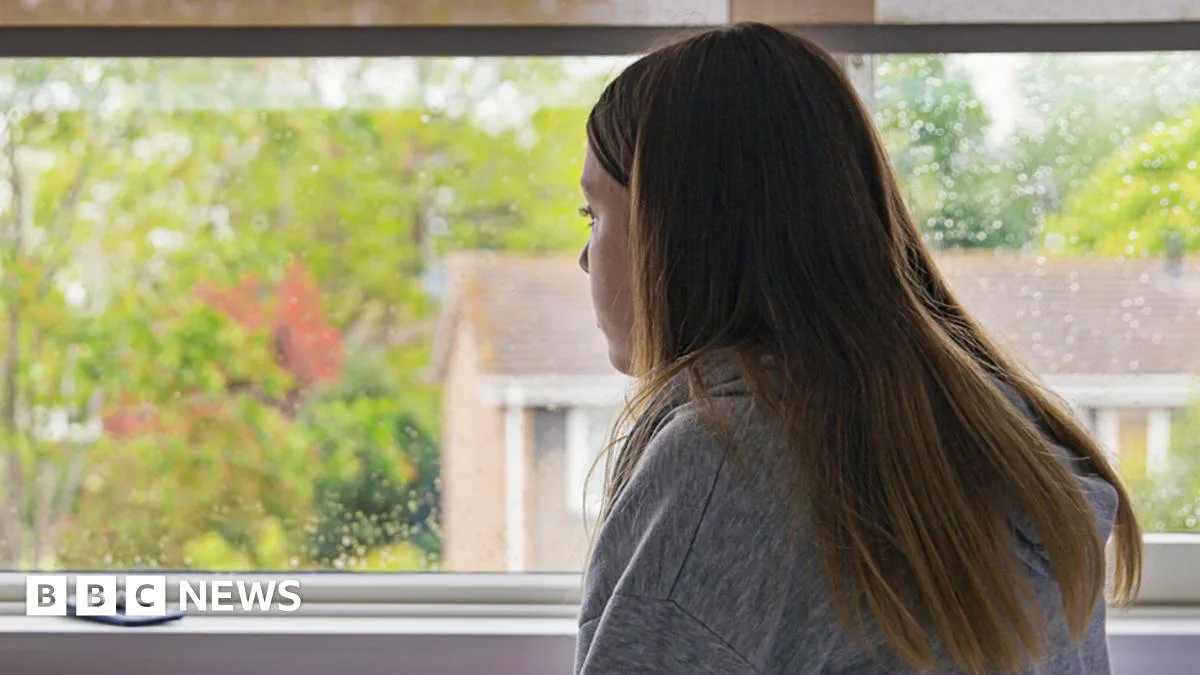
Hannah, 16, had been struggling with an eating disorder before the pandemic but said the last 16 months were 'really tough' after her community support was stopped. 'There were huge readjustments and my eating disorder thrived off that and not seeing friends,' she said. She ended up in A&E after her health deteriorated but was not admitted. She is now receiving one-on-one help again.
Since the pandemic began, 3,200 under-20s have been hospitalised, many needing weeks or months of treatment, compared with under 2,200 the year before. One leading children's trust told the BBC it had to place vulnerable children on general wards without specialist staff. The rise in admissions comes as community services struggle with demand: over 3,000 young people start treatment each month, up from just over 2,000 before the pandemic.
Nearly three in 10 patients wait longer than recommended—one week for urgent referrals and four for routine. The waiting list now tops 1,500, three times higher than before the pandemic. Saffron Cordery of NHS Providers called the figures a 'great cause for concern', noting a 'worrying rise in delays' for treatment. Tom Quinn of Beat said lockdowns had a 'massive impact', with increased demand for helplines. Emma Thomas of Young Minds said the figures were 'deeply worrying'.