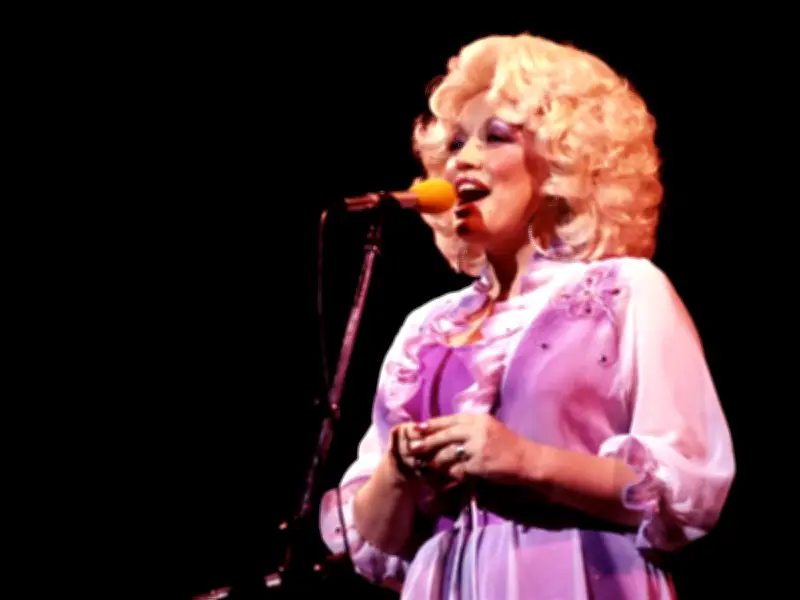
Dolly Parton has died aged 80 following a brief battle with cancer, prompting an outpouring of tributes from music stars and fans worldwide. As many struggle with unexpectedly strong emotions, a psychiatrist has explained why the loss of a celebrity can feel so personal.
Tributes and global memorials
Parton has been remembered as “a giant of an artist – unique and irreplaceable”. Major music figures including Sir Elton John, Sir Paul McCartney, Sir Mick Jagger, Taylor Swift and Beyonce have detailed her impact and legacy as both a musician and a humanitarian.
The Band of the Coldstream Guards played 9 To 5, one of her biggest hits, on the forecourt of Buckingham Palace during Changing the Guard on Friday. Landmarks across the US were lit up pink in her honour, including the Empire State Building in New York, the Willis Tower in Chicago and the Pacific Park Ferris Wheel in Los Angeles.

News of Parton's death was announced by her family on Tuesday night. Her publicist, Marcel Pariseau, said: “After bravely facing a brief battle with cancer, Dolly departed her earthly life today at the Vanderbilt-Ingram Cancer Centre surrounded by loved ones.”
Why celebrity deaths hit so hard
Dr Claudia Aymerich, Consultant Psychiatrist at Berkeley Psychiatrists, said: “It can sometimes catch people off guard just how upset they feel when a celebrity dies. There can almost be this second reaction of, ‘Why am I crying? I didn't even know them.’ But you don't have to know someone personally for them to become emotionally significant to you.”
She explained that a musician might have made an album listened to throughout teenage years, or an actor might remind someone of watching a programme with parents. “So when that person dies, you're not grieving a stranger in quite the way you might imagine. You're responding to the loss of somebody who may have occupied a small but meaningful place in your life for years, sometimes decades.”
Dr Aymerich added: “Familiarity is incredibly powerful. We might hear someone's voice regularly, watch interviews with them, follow their career and see them at different stages of their life. Over many years, that creates a sense of knowing them, even though the relationship obviously only goes one way.”
Grief, memories and ageing
The psychiatrist noted that a public figure can become attached to a particular period of a person's life. “Their death can suddenly take us back to being 16 and listening to their music, watching their films with somebody we loved, or remembering a version of ourselves we haven't thought about for years.”
She also said celebrity deaths can make people confront the passage of time. “If somebody has been famous for most of your life, their death can be an unexpectedly powerful reminder that you're getting older too. That can bring up feelings about ageing, mortality and change that go well beyond the celebrity themselves.”
How to cope with unexpected grief
Dr Aymerich advised: “Give yourself some space to feel it rather than immediately trying to talk yourself out of it. Listen to their music, watch the film you loved, speak to somebody who understands why that person mattered to you or share a memory.”
She suggested being curious about why the loss has affected you, as strong reactions can reveal what the person was connected to, such as childhood, a parent, a relationship, identity or a happier period in life. She also recommended stepping away from social media if it becomes overwhelming.
“If the death has brought up much deeper feelings of grief, depression or loss that you're struggling to manage, particularly if they're affecting your day-to-day life, that's when it may be worth talking to somebody you trust or seeking professional support,” she added.
Dr Aymerich concluded: “I think people sometimes feel they have to justify this type of grief because they didn't personally know the person who died. But human attachment isn't quite that simple. Someone can be absent from your personal life and still have been present throughout it.”