
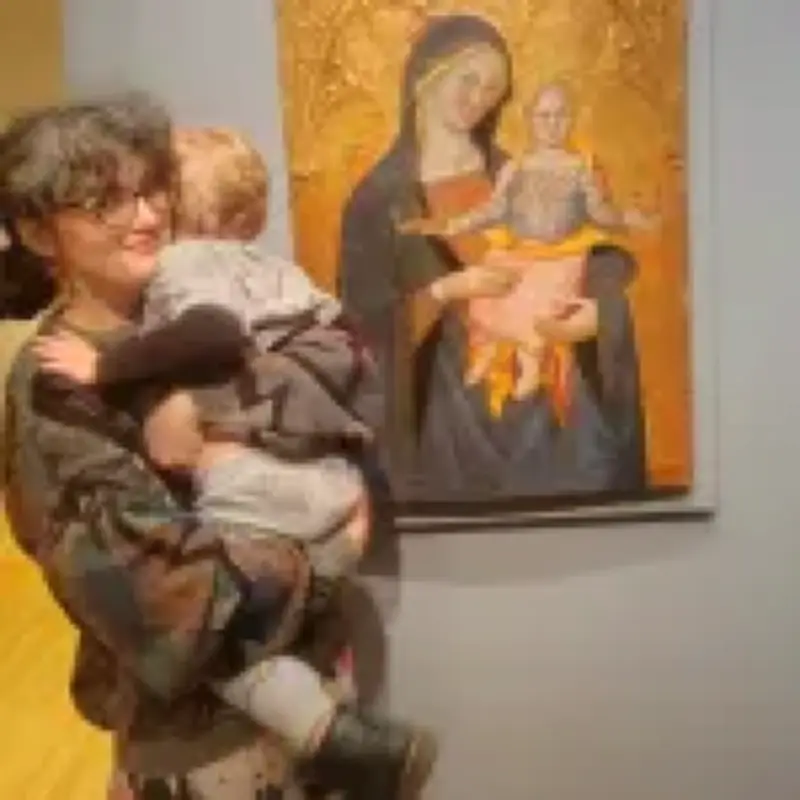
A non-binary mother has opened up about the constant misgendering she faces, even after coming out, and how motherhood has given her a new perspective on her identity.
Feeling accepted, then misgendered
Rachel Meghan, who uses they/she pronouns but prefers 'they', described an incident at a barbecue where a neighbour initially seemed accepting of her identity, only to immediately refer to her as 'she' when speaking to their partner. 'She said she wanted a hamburger!' the neighbour yelled, moments after Rachel had explained her preference.
Rachel said she didn't say anything, acknowledging she had said 'she' was acceptable, but felt frustrated that people default to 'she' despite her stated preference. 'It's exhausting having to constantly correct people I'll never see again,' she wrote.
Coming to terms with her identity
Rachel first realised she was queer as a teenager in the late noughties, initially coming out as bisexual. She never felt drawn to feminine beauty standards and liked being androgynous. It wasn't until college, when she met non-binary people, that she realised she could identify that way too.
She came out as genderqueer and then non-binary in 2025, after becoming a mother. She explained that pregnancy and childbirth gave her a new relationship with her body, and she realised motherhood and womanhood are not necessarily connected.
Support and challenges
While newer people in her life, like coworkers, have no issues using they/them pronouns, some long-time acquaintances struggle. One family member asked, 'what does it matter if you're not in the room?' Rachel said it matters because it's about how she wants to be perceived by the world.
Being misgendered takes a toll on her energy and mental health, making her feel dissociated from her body and identity. She hopes people will at least make an effort to use gender-neutral pronouns.
Rachel said she is supported by her husband and son, who calls her 'bubba' instead of 'mama'. She concluded that 'your gender expression doesn't influence how you parent, so you may as well just be you.'




