
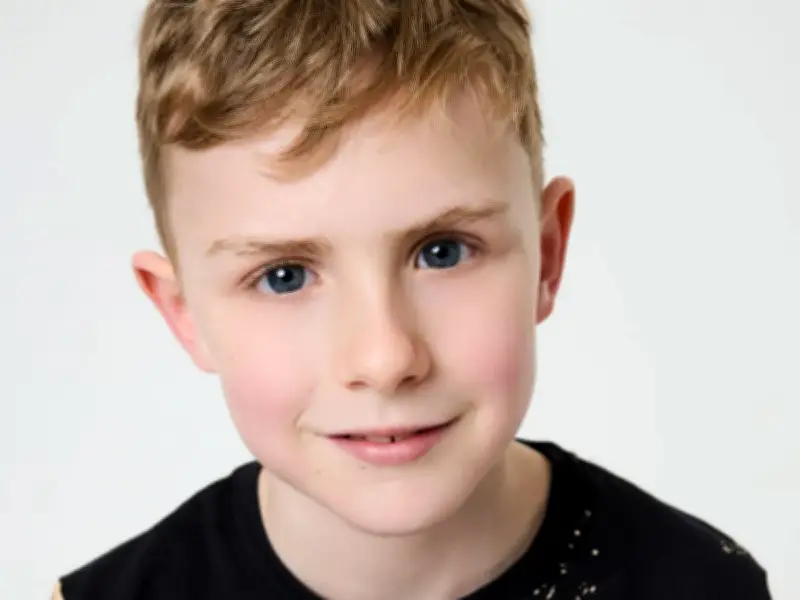
The mother of a 10-year-old boy has described her fear as 'unreal' after her son suddenly suffered a cardiac arrest while at a school playground. George Kenny, from Bolton, was rushed to hospital on September 22 and is now being treated at Alder Hey Children's Hospital.
George has an implantable cardioverter defibrillator (ICD) fitted underneath his skin, but his mum told the Manchester Evening News it was unable to shock his heart back to regularity like it has done in the past. He remains in hospital and is expected to stay for a couple of weeks.
Transplant warning after device failure
Kimberley Kenny, George's mother, said his consultant warned that if the cardiac arrest happens again, he will need to go on the transplant list. She described the realisation as daunting and said the fear in their body is unreal.
"We don't ever want him to be in that position where needs somebody else's heart," she said. "For another family to go through that situation where their loved one's passed away and their organs are being sent away to save someone else's life is awful to be in."
Life-saving device failed to cope
At just three years old, George was diagnosed with hypertrophic cardiomyopathy (HCM), an inherited heart condition that causes the muscle wall of the heart to become too thick, making it hard for the organ to pump blood around the body. Symptoms range from fatigue and palpitations to swelling of the legs, feet, ankles, and abdomen, and it can lead to cardiac arrests or sudden death in the most serious cases.
Two years ago, doctors fitted George with an ICD. The device monitors his heart rate and rhythm, sending small, painless electric shocks to restore a natural heartbeat when an abnormal rhythm is detected. Kimberley, 35, said the battery-powered machine has intervened four times to save George's life since it was fitted.
However, in late September, the device encountered a situation it was not set up for. George's heart went into ventricular tachycardia, which the device recognised and shocked him, but then it went into a completely different arrhythmia that the machine was not expecting.
"The device wasn't set up for that because the chances of that happening were extremely low," said Kimberley. "It wasn't even in the risk assessment because we thought it would never happen, his consultant thought that would never happen. That's how the cardiac arrest happened; his heart basically couldn't come back from it."
The ICD shocked George's heart at least three times to restore a regular rhythm. He is now being monitored closely at Alder Hey Children's Hospital.
Family raising funds for home adaptations
Speaking about their ordeal, Kimberley said it is awful wanting George to be independent and do things normal children can. He wants to play football, go out on the streets with his friends, and go to trampoline parks, but due to his risks, even before this cardiac arrest, the family had to monitor him very carefully.
"We had to monitor his exercise levels; he gets tired very easily, so he's not got that stamina to keep up with children his own age," she said. "Before this he didn't really understand the severity of his condition. I think he still struggles with the concept of how severe his condition is. People don't see him differently, from the outside he looks absolutely fine."
In preparation for George's return home, the family is raising money to buy essential equipment and retrofit their home to accommodate him. So far, they have raised over £2k of their £4k goal.
"We've realised how good human beings actually can be and how much people want to help," said Kimberley. "The community has rallied around us; it's been outstanding and we ever can't thank people enough for the amount of support they've given us." Donations are being collected via the family's GoFundMe page.




