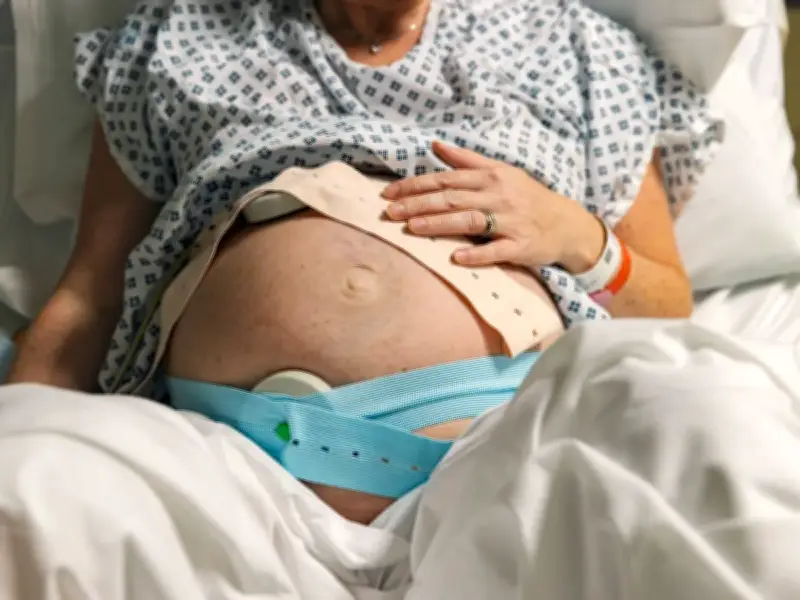
When it comes to giving birth, there is no shortage of old wives' tales that well-meaning friends and family are all too happy to pass on - but very few of them are backed by science. From tucking into pineapple or spicy food to kerb walking and light exercise, plenty of mothers-to-be swear by a whole host of methods when it comes to nudging an overdue baby along.
Yet despite their popularity, there is little scientific evidence to suggest any of them actually work. So what does make a real difference before and during labour?
Midwife's two 'B's'
A UK-based practising midwife, known online as Midwife Vic, has revealed two things she believes women are simply not prepared for - and both could genuinely change the course of their labour.

Following a hypnobirthing session with a client, the experienced professional took to Instagram to share what she described as one of the best questions she had been asked in quite some time.
She said: "I'm a midwife, and I'm teaching hypnobirthing to a client at the moment, and they asked me one of the best questions I've been asked in a long time, so I thought I would share it with you and share my answer.
"She asked me, what is the one thing that nobody's talking about online around birth that actually makes the difference? And I gave her two answers, they're not being talked about, so here we go."
Bowel and biomechanics
Number one, she said, is the bowel. "If your bowel is full, if you have been constipated for a long, long time, that bowel becomes an obstruction to your baby coming out," she explained. "It literally blocks, it limits the space that that baby has to come out. So nobody talks about it, but you really, really have to manage that before it comes to birth.
"The more that you can manage that ahead of time, the better. Laxatives, diet, if you need it, an enema. You know, we do them on people. It helps."
Number two is biomechanics. "Not talked about very much online - some people are talking about it, but not many people are talking about it," she said. "They talk a lot about hypnobirthing, a lot about breathing. You cannot breathe your way to a positive birth alone. You need to mechanically be working with the ligaments, muscle, pelvis, and the way in which your baby goes in and out of the pelvis.
"You need the correct movements, and you need to be treating misalignment before you're birthing your baby. Bowel, biomechanics - the two B's."
NHS advice on labour onset
According to the NHS, labour can sometimes begin prematurely, before 38 weeks, and expectant mothers will recognise the onset of labour through contractions that grow increasingly frequent and intense.
The NHS website says: "You may feel a heavy ache in your back, similar to a bad period pain. Or you may feel either a steady trickle or large gush of water which means your waters have broken.
"If you think your waters may have broken then put a sanitary pad on and call the hospital. If you are having regular contractions every three to four minutes lasting between 40 to 60 seconds then call the hospital."
"If you have had a previously quick birth or if you have not reached 37 weeks of pregnancy then you should call the hospital before the contractions are this frequent. The midwife on the phone will decide in partnership with yourself when you should come to hospital."