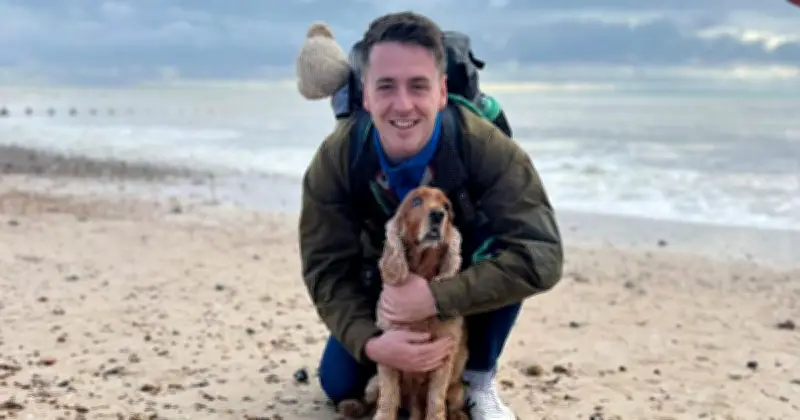
Conor Wilson spent years preparing for the death of his dog Teddy, but when the time came, he found himself utterly unprepared. Teddy had been with him since he was 21, and losing him was harder than anything he had experienced.
Teddy, a dog of nearly 14 years, had become the soundtrack of the family's life for over a decade. The sound of his paws on the wooden floor and his dinner-time whimpering accompanied every special moment, from marriage and parenthood to birthdays, Christmases and first days of school. Then, suddenly, he was gone.
The loss of a constant presence
Without realising it, Teddy had become the centrepiece of the family. Food dropped on the floor now had to be cleared up by hand, and the sounds that had seeped into everyday consciousness were gone in the space of an hour, replaced by an unsettling quietness.

Teddy became Wilson's through default. In 2012, his girlfriend, now wife, got him as a puppy on impulse from a family who had bought him as a birthday present but given little thought to how they would care for him. Despite everyone telling her not to, something about his face and the feel of his fur convinced her to ignore logic.
The unique pain of pet grief
Wilson, a former soldier who has seen people die and said goodbye to loved ones, described losing a pet as like nothing he had ever been through. According to the Dog's Trust, 38% of owners were surprised by how deeply grief affected them, while a study in the journal PLOS One found that among those who had lost both a pet and a person close to them, more than one in five said the death of their pet had been the most distressing loss.
Psychotherapist Mark Vahrmeyer, who specialises in bereavement, recently navigated the loss of his own lurcher, Sufi. He told the Daily Express: "One of the difficulties with grief is that we often expect it to behave logically, as though the intensity of our pain should correspond to a hierarchy of relationships. Psychologically, grief does not work like that. We grieve according to the nature of the attachment and the place that the relationship occupied in our lives."
Anticipatory grief and moving forward
Wilson had begun the process of dealing with the grief before it occurred, a common experience known as anticipatory grief. He had questioned whether each illness or procedure would be Teddy's last, and he had tried to soak up his presence like a photographic memory.
Diane James, Head of People Services at Blue Cross, said: "The most important thing is that people understand what they're feeling is normal. Everybody is different. There is no one way to grieve. It is unique to you, but it is normal."
Four weeks after Teddy's death, Wilson said he would like to think a dog is in his family's future, though the pain has put his wife off dog ownership for now. He concluded: "Losing Teddy was the hardest thing I have been through, but weighed against the fourteen years of unadulterated love, happiness and stupidity that he brought to my family's life, I would go through it all again in a heartbeat."