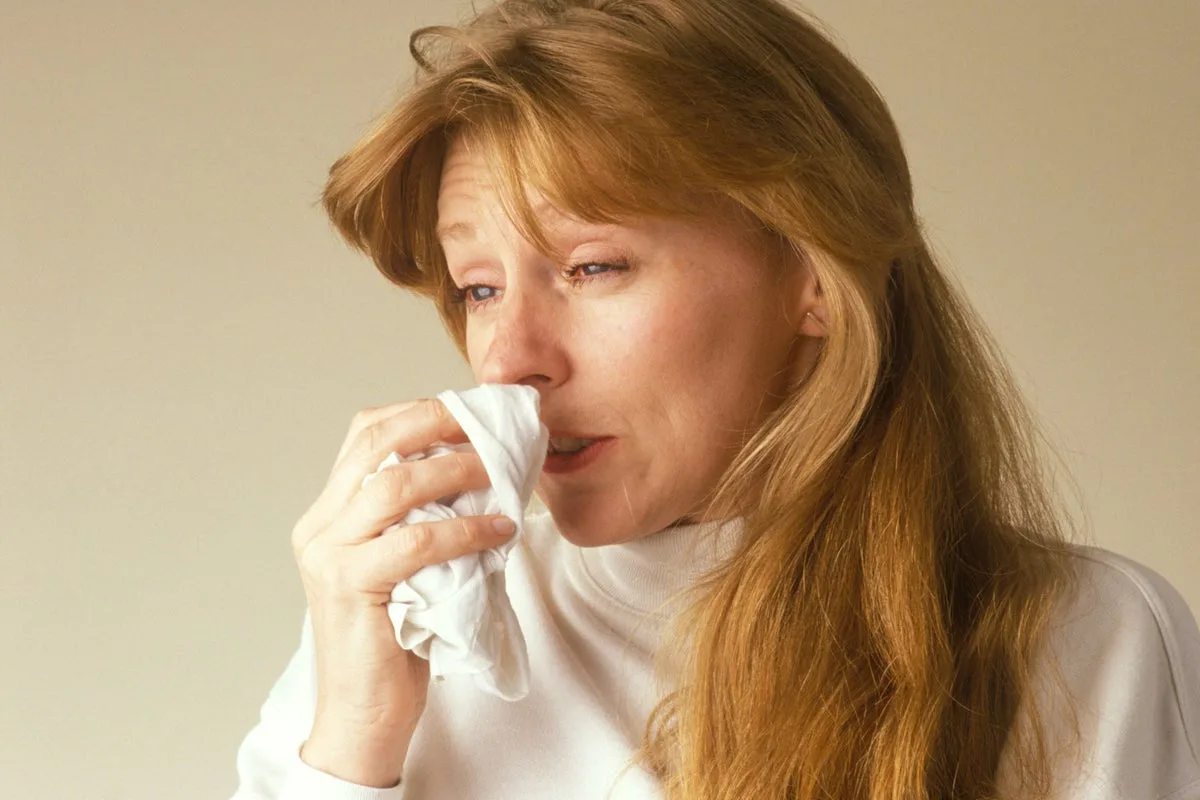
Millions of hay fever sufferers across the UK are bracing for a difficult week as a 'pollen bomb' is predicted, with the Met Office warning of high pollen levels across England and Wales. The warm weather over the May bank holiday weekend has caused grass and weed seasons to start earlier and stronger than usual, leading to a surge in symptoms.
Visits to the NHS hay fever advice page have more than doubled in recent days, as many struggle with cold-like symptoms despite the high temperatures. The Met Office has warned that grass pollen will dominate, with regions such as Yorkshire, the Midlands, and the northwest likely to see very high levels. Southern and eastern England, including London and the south-east, are expected to experience elevated pollen levels throughout the week.
Professor Alastair Culham of the University of Reading explained that a combination of breezy and dry weather is bringing a lot of pollen into the air. He noted that a warm, dry spring brought pollen on early, followed by wet weather that allowed grasses to grow exceptionally well. Now that the weather has warmed and dried, grasses are flowering, producing phenomenally high levels of pollen.

According to Allergy UK, one in four adults and one in eight children suffer from hay fever, with numbers rising each year. A study published in The Lancet Public Health found that climate change has prolonged the pollen season by one to two weeks compared to the 1990s, increasing the duration of exposure for sufferers. Researchers detected an earlier start of one to two weeks for allergenic trees between 2015 and 2024.
While the Met Office stated there is no data to support claims that pollen is 'worse' this year, the combination of high pollen counts and exposure to multiple pollen types may make symptoms feel more severe. Northern Scotland, particularly the Orkney and Shetland Islands, is expected to see low pollen levels, offering some respite.