
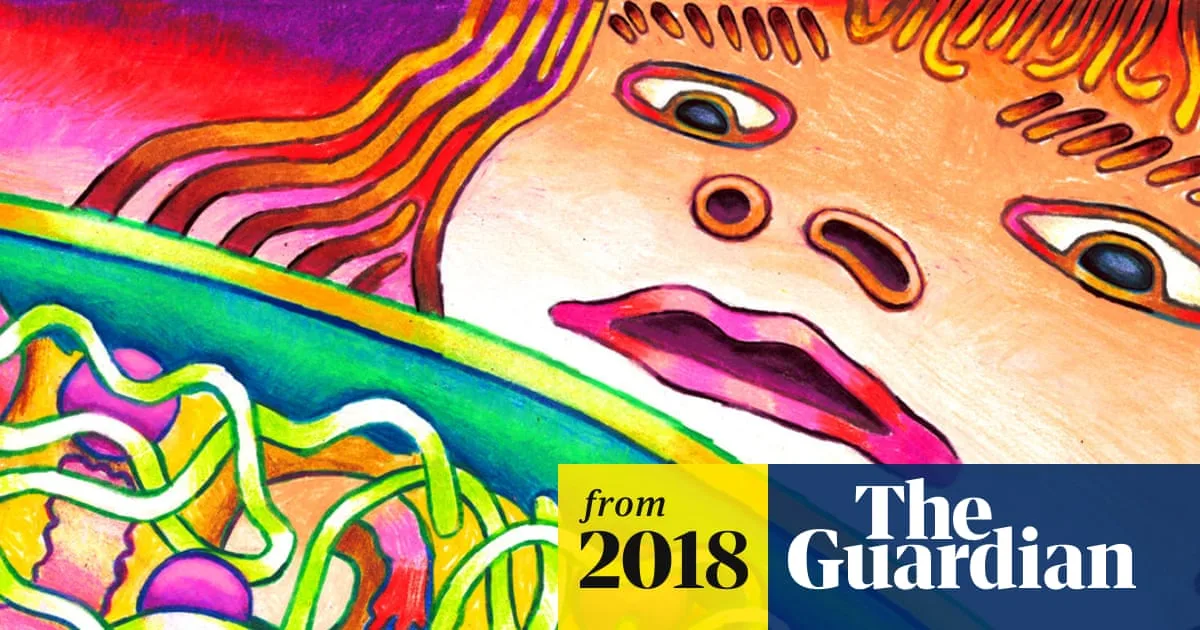
A trip to a shopping centre food court at the age of 12 became the catalyst for a lifelong battle with obsessive-compulsive disorder. The writer recalls being handed a Cinnabon by an employee with a visible scab and immediately feeling that the pastry was crawling with disease. That moment sparked an overwhelming fear of contaminated food that would dominate their thoughts for years to come.
The fear soon extended far beyond that single incident. Meals prepared outside the home were imagined to contain human waste, blood, or even human flesh. Eating became an exercise in obsessive dissection, with the writer picking apart food while convinced that consuming it would lead to infection with HIV, hepatitis, or other serious illnesses. They began to view their own body as toxic.
The writer is keen to dispel the myth that OCD is simply a preference for tidiness. For them, it is a debilitating mental illness. The first signs appeared at age eight, when an inexplicable doorknob ritual had to be completed before they could enter their bedroom. Counting to eight and waiting for a 'right' feeling became a nightly routine, carried out secretly to avoid drawing attention.
Described as the 'doubting disease', OCD led the writer to visit at least seven different doctors, none of whom could satisfy their fears. Other compulsions included avoiding driving for fear of steering over a bridge and repeatedly checking that the stove was off. Despite knowing these thoughts were irrational, the writer felt powerless to break free.
While such fears may seem extreme, they are not without real-world parallels. The writer cites the 1974 poisoning of eight-year-old Timothy O'Bryan with cyanide-laced Pixy Stix, a 2007 incident involving a condom found in a Burger King hamburger, and a lawsuit by a Redlands, California family against Starbucks over blood in their Frappuccinos. These cases illustrate genuine instances of contamination, yet the writer's reaction was rooted in mental illness rather than realistic risk.




