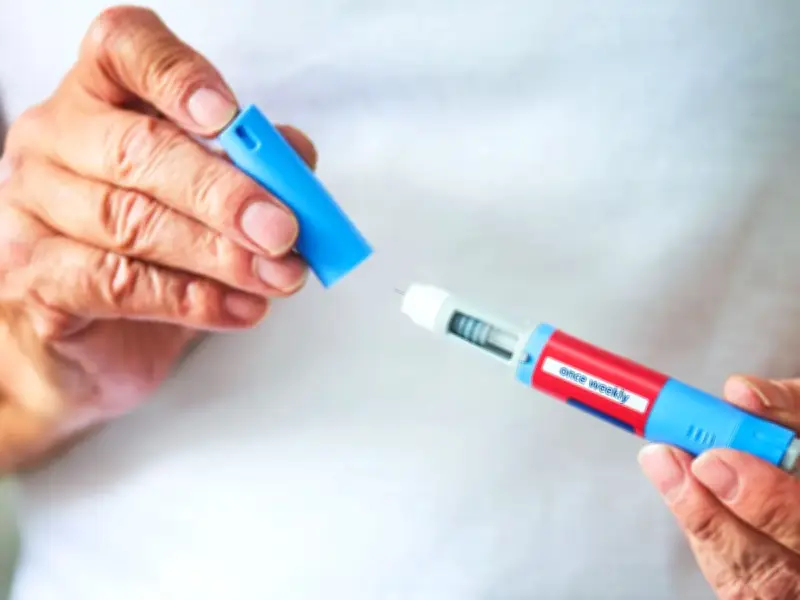
Weight-loss injections like Wegovy and Mounjaro can bring unexpected changes to your sleep, according to a GP. Dr Roger Henderson, medical expert for MattressNextDay, says significant weight loss can affect how comfortable you are in bed, leading to new aches, pressure points, and even feeling colder at night.
Sleep changes can start early
For some people, sleep disruption can begin before significant weight is lost. Dr Henderson explains: "Some people do notice changes to their sleep after starting weight-loss medication, but this is usually due to its side effects."
Nausea, indigestion, acid reflux, and abdominal discomfort can all make it harder to get comfortable at night, particularly in the first few weeks. Changes in appetite and eating patterns can also affect sleep while the body adjusts. These jabs can slow the rate at which food leaves the stomach, which may trigger nighttime nausea, reflux, or bloating when lying down.
Feeling colder and changing sleeping positions
After significant weight loss, some people may feel colder at night because body fat, which provides insulation, is reduced. Dr Henderson says: "Some people can notice they feel colder at night than they used to after losing a significant amount of weight. These changes are typically nothing to worry about at all, but they can mean it takes a little time to get used to sleeping at a much lighter body weight."
Weight loss also changes how weight is distributed across the body, which can affect sleeping positions. Dr Henderson notes: "Losing weight, especially if it is a significant amount, changes how your body is supported while you sleep, so it can affect both your posture and your comfort." Some people may find new tenderness around shoulders or hips, while others may find movement in bed easier.
Positive changes and ongoing advice
Weight loss can also bring positive sleep changes. Dr Henderson says: "Weight loss can have a real impact on sleep, and it's usually for the better." Carrying less weight can reduce pressure on the airways, easing breathing and reducing snoring. People with sleep apnoea may notice improved symptoms, but it's important not to stop any treatment without medical advice.
Dr Henderson advises simple steps to stay comfortable, such as avoiding large meals close to bedtime, using a higher tog duvet, wearing breathable cotton pyjamas, and placing a pillow between the knees when sleeping on your side. If symptoms persist or are concerning, he recommends speaking to the healthcare professional responsible for your treatment rather than accepting disrupted sleep. "If you're still snoring heavily, waking up gasping for breath or feeling exhausted during the day, it's important to speak to your GP," he adds.