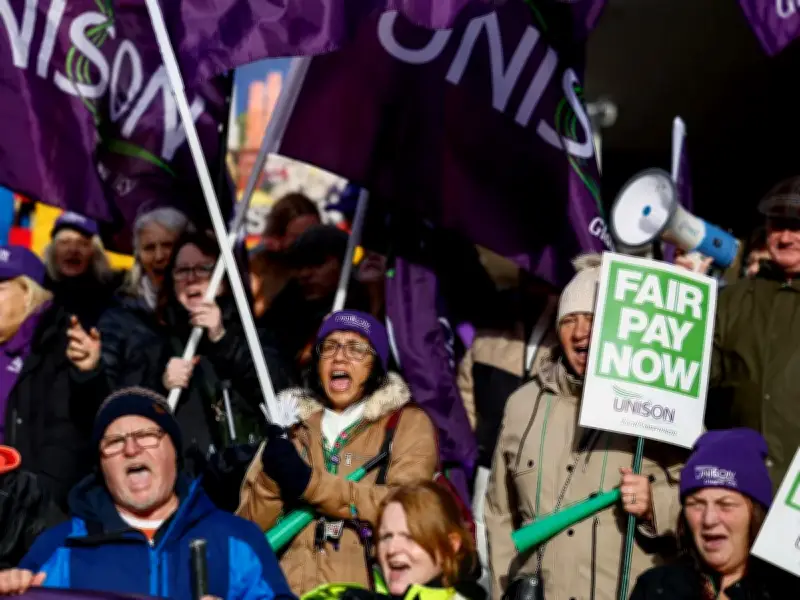
The author of a new book has said a threat by Scotland's largest local authority to sack more than 23,000 workers proves trade unions are "more important than ever".
Glasgow City Council was branded "pathetic and cowardly" last month after it announced plans to fire and rehire its non-teaching staff following a breakdown in negotiations over a controversial new pay structure.
Local authority chiefs had been trying to agree a new wages structure before the end of the financial year to avoid the threat of the council facing effective bankruptcy. However, they resorted to what have been described as discredited Tory-style threats to sack workers and reemploy them on different terms after Unison, one of three unions locked in negotiations, threatened not to ballot its members.
Scottish Government Steps In
The impasse was broken last week after the Scottish Government intervened and offered pay protection to workers for up to three years. Unison said it had "stood firm because Glasgow's workers deserved better than what was originally put on the table".
Dr Ewan Gibbs, a lecturer in social history at the University of Glasgow, said the dispute had proved the worth of having unions leading negotiations. His new book, An Injury to All: The Unmaking of the British Working Class, asks how the working class has been pushed from the centre of political life to its margins, and traces the transformation of a class forged in mines and shipyards into one scattered across call centres and gig economy apps.
Union Membership Decline
Trade union membership has plummeted across the UK over the last 40 years since Margaret Thatcher's government passed a series of laws aimed at restricting their effectiveness.
Asked if he still viewed trade unionism as the best route for ordinary workers to improve their lot, Gibbs said: "I think trade unions are central to improving the rewards of work in the twenty-first century."
"If anything, they've become more important than ever in a labour market which is so often rigged against the interests of workers. Even in recent days, we have seen the power of trade unions in Glasgow where the City Council has been forced to row back on its threat to use fire and rehire policies to impose wage cuts on large numbers of workers."
Workers Across the Economy
He added: "Unions are primarily concentrated in the public sector now, but clearly workers across the economy need strong organisations in a context where employers regularly abuse their power and wages have stagnated whilst the cost of living has escalated."
"In the last few years, we've seen important and sometimes successful efforts by unions in organising in the sectors which now typify Britain's economy, from social care to Amazon warehouses. In 2020 and 2021 those were some of the workers who we recognised as central to the life of country when they were labelled 'essential workers' during the Covid pandemic. These are the forms of working-class jobs which predominate in twenty-first century Britain and they should pay a decent wage and offer conditions which recognise the skills and importance of the workers we all rely upon."