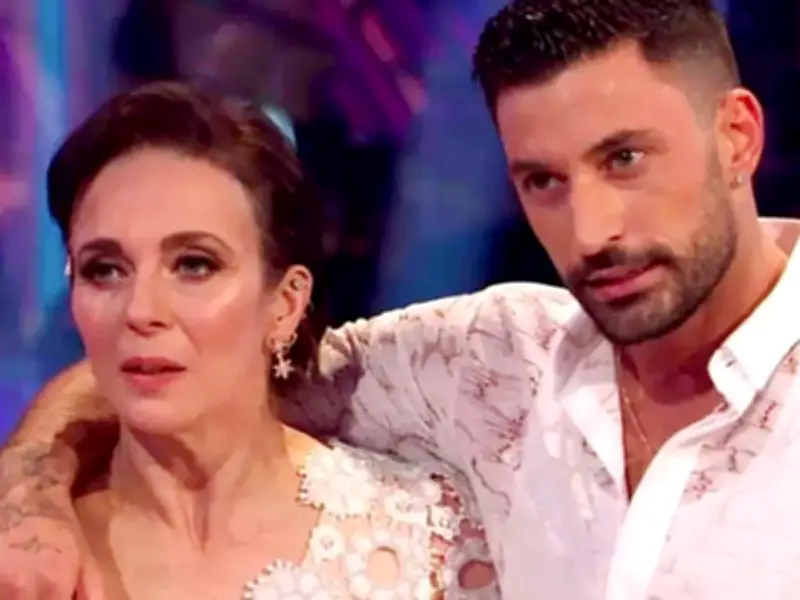
Strictly Come Dancing star Giovanni Pernice has revealed he felt suicidal after Amanda Abbington's bullying allegations led to a BBC investigation. In his new memoir, Taking The Lead, Pernice describes the emotional toll of the public fallout.
Memoir details depression and dark thoughts
In an extract serialised in the Daily Mail, Pernice wrote: “Hunched on the sofa of my London flat, I scrolled through my phone as story after story brought bad news, plunging me deeper into depression. Is it worth it? I asked myself. What would happen if I wasn’t here any more? Who would care?”
He added: “Tomorrow, I pledged, I would end it all. My life was over and the emotional pain was becoming unbearable.”

Background to the allegations
Abbington, 53, was partnered with Pernice, 35, on the BBC series in 2023 but quit weeks into the competition. She later alleged she suffered from PTSD and accused him of bullying and harassment. Other celebrities then came forward with accusations, which Pernice denied.
Following an investigation into 16 allegations, he was cleared on 10 counts while the broadcaster upheld six. The BBC apologised to Abbington, and Pernice reportedly received a financial settlement. He later left the series and stepped out of the public eye.
Pernice's account of the partnership
Pernice claimed Abbington “quickly set the tone” for their communication, writing: “In a text message for my 33rd birthday, she called me ‘k**b head’. Our banter involved bad language, jokily calling each other the ‘C’ word.”
He said a BBC producer who saw a video of them calling each other the ‘C’ word asked Abbington: “Are you OK with that?” She replied: “Yeah, of course. I started it.”
Pernice described moments of tension but said there were “never any arguments”. He claimed her efforts confused him and feared she wasn’t putting in enough time. Abbington quit mid-series and later accused him of “unnecessary, cruel and abusive behaviour”.
Support and investigation outcome
Pernice thanked then-girlfriend Molly Brown for remaining by his side, saying: “She could see that I was spiralling and she was there to talk to me when I was down. There were certainly times I would have killed myself if Molly hadn’t been there.”
The BBC's investigation, overseen by former Met officers who reviewed rehearsal footage and texts, found he was not physically abusive but upheld complaints about verbal bullying and harassment. In a statement, the BBC apologised to Abbington and thanked her for coming forward. Abbington said the apology was a “vindication” of her complaint and that she had received rape and murder threats and a bomb threat sent to her place of work.