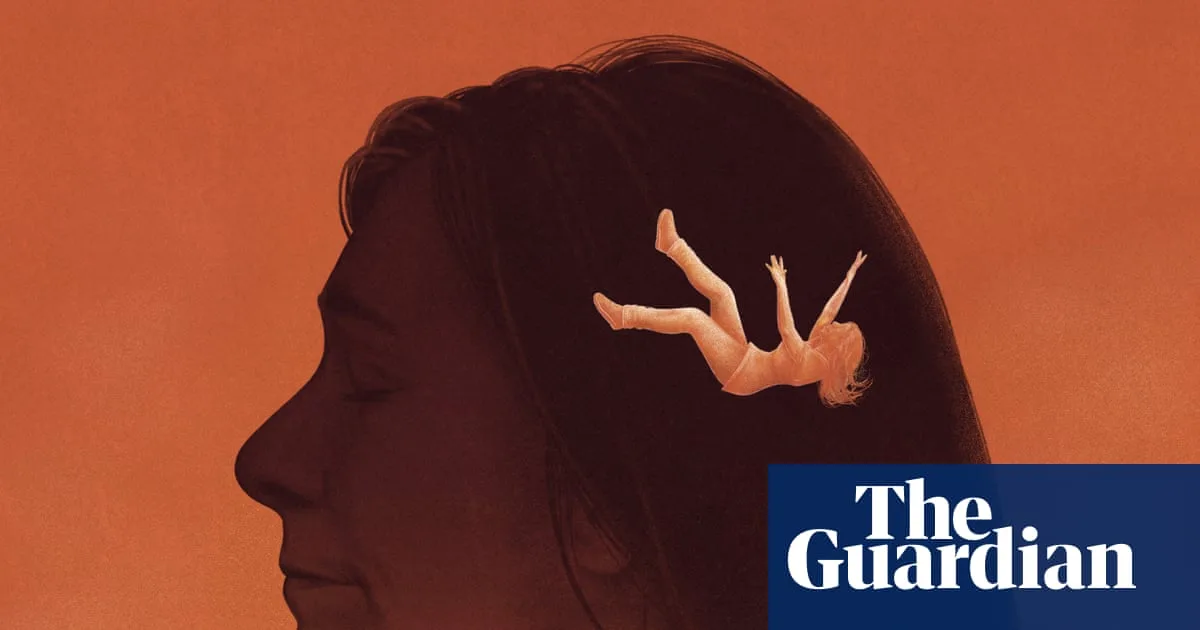
A survey by the British Association for Counselling and Psychotherapy (BACP) has found that almost two-thirds of women over 50 struggle with their mental health. Underlying factors include anxiety, sleep problems, bereavement, and menopause. Nine out of 10 of the 2,000 women surveyed had not sought any help.
Dr Lisa Morrison, the BACP’s director of professional standards, policy and research, said: “As a woman in midlife, you kind of lose yourself. Maybe because you feel invisible or you’re putting yourself at the bottom of the list of family priorities. Many women are dealing with being the ‘filling’ in the middle of the sandwich between looking after children and also caring for older adults.”
However, mental health experts note that the “sandwich generation” tag does not apply to everyone. Almost one in five women over 50 do not have children, and many have lost parents by this age. Few can afford to retire; many are making bold career pivots.
Emma*, a 52-year-old lecturer, described how a high cholesterol test pushed her into a downward spiral. “I was already dealing with a belittling new boss at work, much younger than me, and trying to cope with my teenage son who was threatened with school exclusion. I wasn’t coping and I felt my temper spinning out of control frequently. On my darkest nights, I questioned what the point of being alive was.” Counselling helped her move forward, but she noted its limits: “No amount of talking is going to make a terminally ill parent well again, or give you back the energy you had at 35.”
Women of all ages are more likely than men to be living with common mental health problems, such as depression, anxiety, panic attacks, and OCD. In England, around one in four women experience a common mental health problem.