
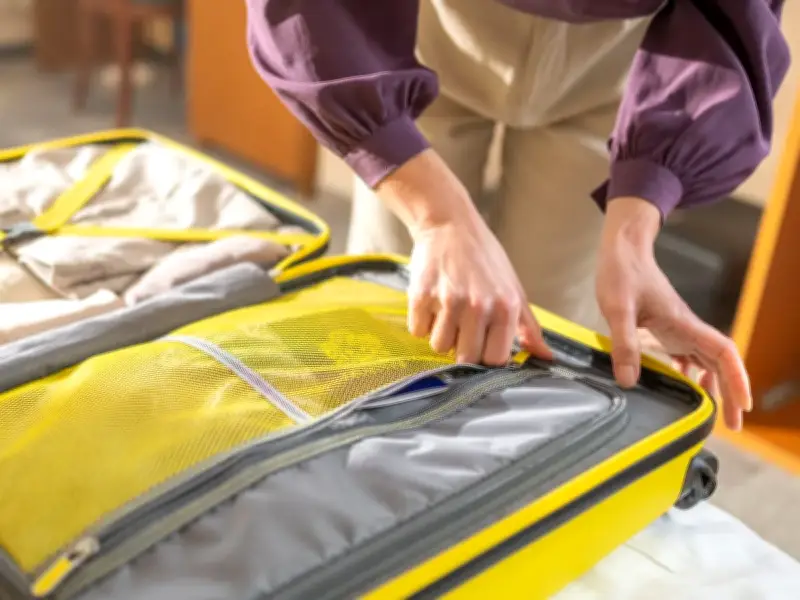
Holidaymakers returning from their summer breaks are being urged to inspect their suitcases for bed bugs before unpacking. Pest control expert James Rhoades, founder of ThermoPest, a firm accredited by the British Pest Control Association, says taking a few extra minutes to examine luggage can prevent infestations from spreading into homes.
Why inspect your suitcase?
With schools set to resume in a couple of weeks, millions of travellers are heading home from six-week holidays. While packing often involves careful organisation, unpacking is frequently rushed, with clothes going straight into the washing machine. Washing clothes immediately is good hygiene, but specialists warn it misses a critical safety step.
Before washing, holidaymakers should thoroughly check empty suitcases, including seams, zips, pockets, and linings, for early signs of bed bugs. James explains that bed bugs become more active in hot weather because they rely on blood for hydration and need to feed more frequently. Lighter summer clothing and thinner bedding also make it easier for them to bite.
Advice for hotels and travel
James said: "Hotels, guest houses, and short-term rentals can become hotspots for bed bugs during peak travel periods. Before unpacking, check the seams of the mattress, headboard, and upholstered furniture for telltale signs such as tiny rust-coloured spots or shed skins."
He also advises keeping luggage elevated on racks rather than on the floor, and storing clothes in sealed bags inside the suitcase to reduce the risk of bugs hitching a ride home.
Steps to take on returning home
James recommends emptying luggage straight into the washing machine and using a hot cycle for all items. He said: "Visually inspect your suitcase inside and out, paying close attention to pockets, seams, and linings for any signs of bed bugs such as dark spots, shed skins, or live insects."
For frequent travellers, making this a consistent habit is the best way to catch an infestation before it spreads.
What to know about bed bugs
According to the NHS, bed bugs are small insects that often live on furniture or bedding. Their bites can be itchy but usually do not cause other health problems. They can hide in many places, including bed frames, mattresses, clothing, furniture, behind pictures, and under loose wallpaper. Signs include bites on exposed skin, spots of blood on bedding, and small brown spots on bedding or furniture.
The NHS says: "Bed bug bites can be raised and itchy. They're often in a line or grouped together. Some people have a reaction to the bites. They can be very itchy, and there may be painful swelling."
If you think you have bed bugs, the NHS advises contacting your local council or pest control service, as it is difficult to get rid of them yourself. The NHS recommends washing affected bedding and clothing on a hot wash (60C) and tumble drying on a hot setting for at least 30 minutes. Items that cannot be washed can be placed in a plastic bag and frozen for two to three weeks. Regular cleaning and vacuuming can help spot them early.
The health service adds: "Do not keep clutter around your bed. Do not bring secondhand furniture indoors without carefully checking it first. Do not take luggage or clothing indoors without checking it carefully if you have come from somewhere where you know there were bed bugs."




