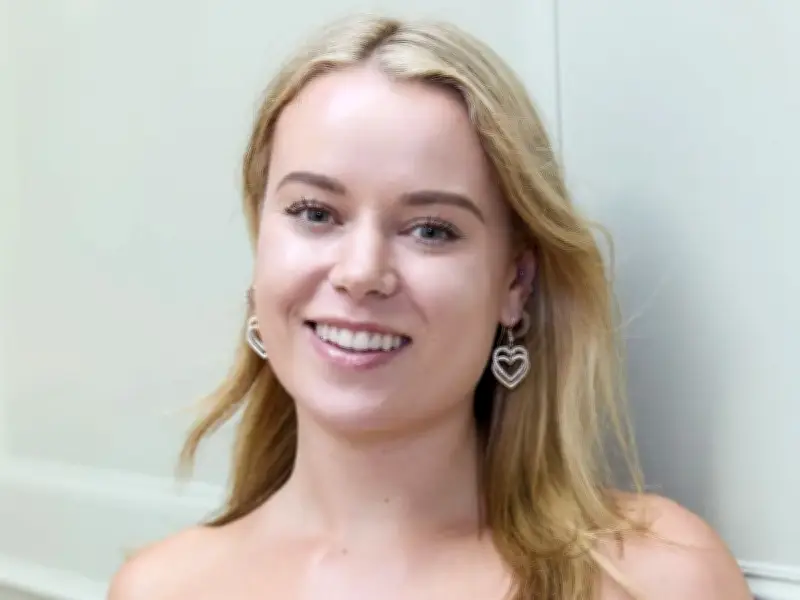
Niamh Cockhill, now 27, from St Albans, knew something was wrong at 14, but it took five years and a psychiatric admission to finally receive a bipolar disorder diagnosis. Her journey, which began with watching a teen drama, highlights the challenges of getting a correct mental health diagnosis.
Early signs and a clue from TV
As a teenager, Niamh felt deeply depressed, struggled with self-harm, and engaged in reckless behaviour she couldn't explain, including running into traffic and playing ‘chicken’ with cars. She carried a lot of anger and often snapped at her family. An unexpected clue came while watching the teen drama 90210, when a storyline featured the character Silver being diagnosed with bipolar disorder. "I read up about it, and it felt like it described me," she says.
After she was found self-harming at school, her parents sent her to a therapist, who also felt she had bipolar. However, when Niamh was referred to a mental health specialist, she was told she was too young to have the condition. The dismissal left her devastated and led to years of self-hatred.
A long road to diagnosis
Her mental health continued to deteriorate, culminating in her first suicide attempt at 15 and another at 17. At university, where she studied criminology, bulimia, excessive drinking, and other unhealthy habits exacerbated her symptoms. She experienced weeks of euphoria followed by crushing lows, leaving her exhausted and unable to participate in everyday life.
While studying in California for five months, her mental health deteriorated further. One day, she broke down in class and headed home intending to end her life. On the way, she spotted the campus health centre and asked for help. She was briefly admitted to a psychiatric ward, where she saw a psychiatrist and was finally diagnosed with bipolar disorder, five years after she first suspected it.
Recovery and raising awareness
Over 1 million people in the UK live with bipolar disorder (1 in 50), according to charity Bipolar UK. Life expectancy for those with the disorder is 15-20 years shorter than the general population, half attempt suicide at least once, and as many as 1 in 5 die by suicide. An estimated 56% of people with bipolar do not have a diagnosis.
Back in the UK, Niamh began therapy and medication, though finding the right treatment took time. She continued to experience depressive episodes and made two more attempts to end her life. Over time, with the right treatment and support, she began to rebuild her life. She now takes only one pill a day, down from double digits, and is sharing her story to show others that it is possible to manage the condition and find hope.
Niamh has released a short film, What Goes Up, on Amazon to raise awareness of bipolar disorder and funds for support organisations. She is also working on a film about living with mental illness. "Mental health recovery isn't linear," she says, "but I'm very grateful for such an amazing support network - my family and friends saved my life."