
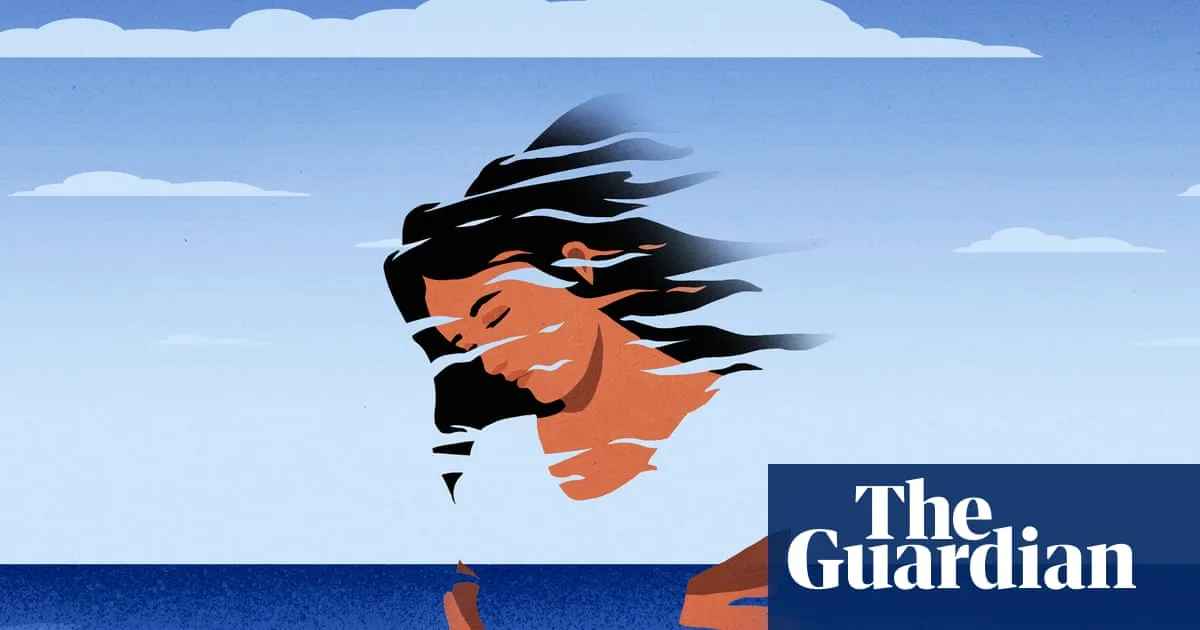
Australia's beach culture is deeply 'fatphobic' and contributes to rising body dissatisfaction during the summer months, according to experts. The Butterfly Foundation, a national charity, estimates that 4.1 million Australians are affected by body dissatisfaction, which is a leading risk factor for eating disorders, anxiety, depression and low self-esteem. Between 2012 and 2023, the number of people experiencing eating disorders in Australia increased by 21%, with studies showing that body dissatisfaction can peak in summer when people wear less clothing and outdoor activities increase opportunities for social comparison.
Bella Davis, a 29-year-old from the Central Coast, says she has struggled with body dissatisfaction since the age of eight. She recalls being 'terrified to date' and often cancelling beach outings with friends because she felt insecure. 'I grew up thinking having a soft body was wrong,' she says. Similarly, Alex Rodriguez, a 27-year-old dietitian and fitness instructor from Brisbane who lived with anorexia in his teens, describes disordered eating as 'very isolating'. He says he was 'never fully present' during social events, preoccupied with his appearance and rigid exercise schedule.
Helen Bird, head of prevention services at the Butterfly Foundation, says the festive season brings 'a surge in societal messages like ‘summer body shred’ and ‘bikini body’'. She notes that the belief that 'thinner or more muscular bodies are healthier, more attractive or more successful remains deeply ingrained' in Australian culture. Bird emphasises that 'there is no such thing as a summer body' and that every body is already a summer body, warning against quick-fix solutions promoted by gyms, weight-loss drugs and food companies.
Sophie Henderson-Smart, founder of swimwear brand Saint Somebody, which makes sizes 8 to 28, says Australia's beach culture is 'very fatphobic'. She created the brand after struggling to find swimwear that fitted well, and notes that some of her customers had spent '20 years refusing to go to the beach' because of body shame. Henderson-Smart describes providing well-fitting swimwear as 'so special', adding that 'bobbing around in the water is such an amazing feeling, it’s freedom'.
Davis, now a body positivity influencer, says 'a lot of people profit off your insecurities' and criticises recent media coverage of celebrity weight loss for sending the message that 'you can’t live in a bigger body and be healthy'. She asserts that 'bodies aren’t trends'. Alex Rodriguez, who has recovered, says his recovery involved learning to distinguish 'genuine health-oriented goals' from 'forms of self-punishment or self-destruction'. Both advocate for a more inclusive and accepting approach to body image, particularly during the summer months.




