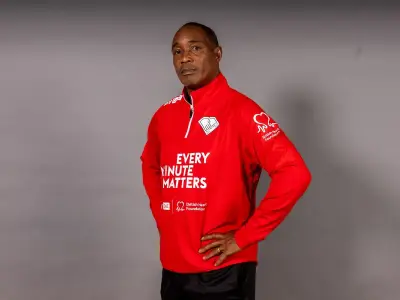
An army veteran whose military career 'turned his life around' was left physically floored as his anxiety spiralled. Gary Hind, from Hyde, lived with mental health difficulties from childhood following a troubled home situation and the sudden death of his father.
But the 66-year-old managed to get his life firmly on track with a career in the army. Gary joined the armed forces aged 16, and he credits the military for shaping the man he became. In 1999, he received an MBE in recognition of his service. Gary went on to enjoy a new career, until events took a turn for the worse - leading to a mental health spiral that saw him suffer tightness in his chest, heart flutters and breathlessness.
Army turned his life around
After a difficult start in life, Gary says the army 'turned his life around'. He said: “Being in the army rebuilt me as a person. I thrived and learnt a lot of discipline and control. I felt like a new person.”

When his military career came to an end, Gary found a job he loved helping students with their personal development skills and extra-curricular activities. But after 15 years in the role, a difficult period at work left him feeling unsettled and unsupported. He said: "It was something that I just couldn’t get over. I felt like I’d had a massive blow to my head. My brain suddenly felt like a sponge - nothing was going in anymore."
Dark memories resurfaced
After decades of setting himself on the right track, the newfound stress also brought back dark memories from his past. It gave Gary a strong feeling that he had lost a sense of control in his life. Gary said: “For years I’d worked to be someone that people could trust and respect, and suddenly that was taken from me. It was the straw that broke the camel’s back.”
At family gatherings, such as christenings or birthday parties, Gary found it difficult to socialise properly with his loved ones. He recalls a sense of 'drifting off'. “I was physically there but I couldn’t get out of my head," said Gary. "I’d be drifting off thinking of other things. And then I noticed my memory got worse - people would talk to me about things, but I couldn’t remember them. It was like a fog clouding over everything."
Physical symptoms of anxiety
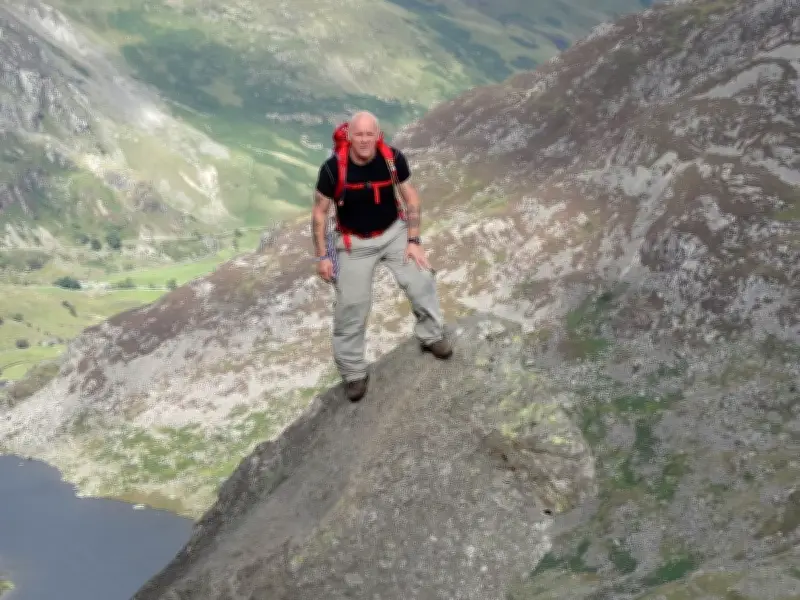
Gary had been an active gym-goer, as well as a qualified mountaineer leader and rock-climbing instructor. But these activities all came to a sudden end when he began to experience a ‘soft flutter’ or palpitation in his chest while exercising. Concerned for his health, Gary saw several doctors for tests on his heart to rule out anything serious. When all came back clear, he was relieved but confused as the flutters were still there.
As time went on, the pain worsened, until eventually he had to give up exercise entirely. “I stopped walking my dog and lost all motivation," said Gary. "It became hard to even get out of bed."
Turning point in the street
A turning point came last July, when the pain left Gary physically floored in a town centre street. Urgently referred to a cardiologist, it was during this appointment that his mental health was first mentioned. Gary said: “It was like a lightbulb moment. I heard him say those words and I just broke down in tears. Everything about my past, the disciplinary, the way my life had changed since just flooded out. I was telling him [the cardiologist] about things I’d not talked about for years."
Gary was told about NHS Talking Therapies, and he referred himself soon after. He then met with Lee Martin, high intensity cognitive behavioural therapist at NHS Tameside and Glossop Talking Therapies, and was diagnosed with post-traumatic stress disorder, panic disorder and generalised anxiety disorder.

Therapy and recovery
Together, they worked through his traumatic memories using eye movement desensitization and reprocessing therapy (EMDR), followed by sessions of cognitive behavioural therapy (CBT) to help him understand and manage his panic. Lee said: “A big part of our work involved exposure therapy, where we carefully and safely supported him to face the fear he had of having a heart attack, caused by his chest pains, and the situations he had started to avoid like exercising. “We made sure Gary had a full understanding of the process and could identify his negative thoughts and the role of fight and flight. By gradually experiencing these feelings and realising they weren’t dangerous, his confidence grew. Over time his anxiety reduced, he was able to feel more in control and get back to everyday activities that mattered to him."
Gary says the process was harder than he expected, but ultimately life-changing. He said: "I’m now more aware of myself and my behaviours, and I have the skills I need to tackle them head on. It’s given me the tools I need to properly accept, move on, and look forward to the future. I cannot thank them enough."
Advice for others
Gary is now pushing himself gently, taking longer walks and becoming more active again, which has given him renewed hope for the future. He is encouraging others, particularly people from older generations, to seek support if they are struggling with their mental health. Gary said: “Therapy helps you to understand yourself. At 67, it’s easy to think there’s no point - but it’s never too late to ask for help. The team are so knowledgeable and approachable, it’s worth a chance. I’m not ‘fixed’ but I’m moving forward – and that makes all the difference. Life is precious, you’ve got to live it."
NHS Tameside and Glossop Talking Therapies is for people aged 16 years and above, registered with a GP in Tameside and Glossop. They offer support and treatment for a range of issues including low mood, stress, worry or anxiety, difficulty sleeping, feelings of low self-worth, panic attacks, phobias and more.