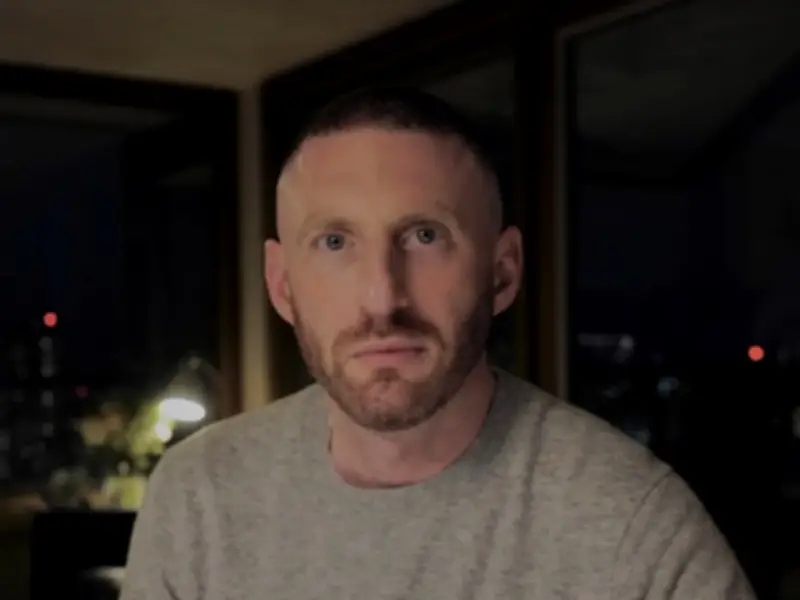
Clive Andrews, diagnosed with ADHD at 57, criticises Channel 4's documentary The Great ADHD Myth? as fear-mongering that increases stigma and discourages people from seeking help.
Diagnosis at 57
Around a year ago, Andrews became one of the growing number of adults diagnosed with ADHD at age 57. He describes it as an incredible revelation, learning that decades of daily struggles were caused by a neurological condition, not entirely his fault as he had been convinced all his life.
According to the documentary, he argues, he is "just an idiot who has fallen for a trendy social construct." The title alone made him fear the worst, framing ADHD as a myth from the outset and suggesting the makers were determined to conclude it is either massively over-diagnosed or does not exist.

Lack of dissenting voices
Andrews notes there is not a single dissenting voice to counter the narrative that the rise in ADHD is due to things like excessive screen time given by mums or ruthless private practitioners seeking diagnoses for profit. A panel of experts makes inflammatory statements throughout: medication is compared to cocaine, taking a break from tablets is described as "cold turkey," and one contributor reasons they are worse for kids than corporal punishment.
He finds it disappointing that a channel once known for championing underdogs has decided to "punch down," propping up every right-wing Facebook warrior's opinion that neurodiversity is an attention-seeking pose, a benefits scam, or an excuse for bad behaviour.
Presenter's mission
The documentary follows presenter Dr Max Pemberton, an NHS psychiatrist, on a mission to prove his own opinions correct. At one point, he gets himself diagnosed with ADHD despite not having it. When he tries the medication, he predictably finds it slowed his brain and turned him into a timid shadow. Andrews points out that taking a drug for a condition he does not have would obviously have an adverse effect, a fact Pemberton never addresses.
Andrews, on more than twice the dose Pemberton tried, says the benefits have been so immense he would not willingly attempt a day without it. He notes that no one with a positive experience of ADHD meds was asked to contribute.
Children and education
The main focus is the idea that an entire generation of children are being needlessly drugged. Andrews, who has given his kids medication, says it is the absolute last resort for families on their knees with stress, trying to settle a traumatised child into school while battling a broken care system.
The documentary eventually asks a question that really needs asking: are we giving children medication to survive an education system not fit for purpose, instead of changing the system to allow them to flourish? This chimes with Andy Burnham's desire to shift education away from purely academic to include technical qualifications.
Andrews's son has ADHD. Despite medication, he found the classroom intolerable and fell out of mainstream education at 12. After a long absence, he got into a provision focusing on outdoor learning, physical exercise, and tailoring lessons to students' interests. If this question had been asked at the start, with experts of various opinions, it could have been essential viewing. Instead, it arrives at the end after 45 minutes of sensationalist fear-mongering.
The stigma surrounding mental health still stops too many from seeking help. There is a growing tide of opinion that ADHD should be viewed with suspicion. Whatever its intentions, the documentary will increase that stigma and discourage people who are struggling from getting support.