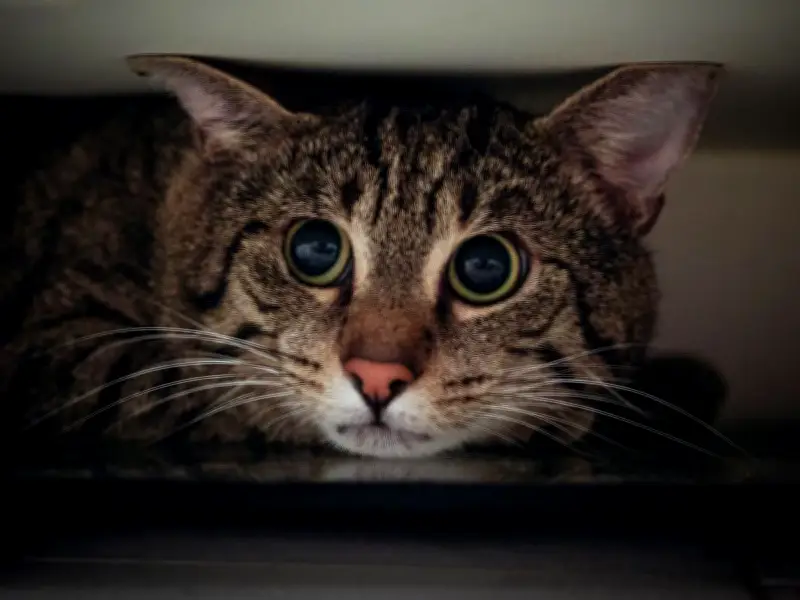
Cats are often seen as independent pets, but many can still struggle with anxiety. Experts at Cats Protection warn that these behaviours are not necessarily linked to being completely alone. A cat may become unsettled when a particular person in the household leaves, even if someone else stays behind. Owners may notice changes in their cat’s behaviour when a favourite person is away, even if the cat still has company.
Understanding your cat's emotions
The expert noted: "Cats can feel fearful, anxious, frustrated, bored or even depressed, all emotions that cause stress. It’s important to understand your cat’s underlying emotions as this can help you understand how they are coping with any sudden changes."
They added: "If you notice a change in your cat’s behaviour, take them to the vet as there could be a medical cause that needs investigating. If your cat is otherwise healthy, then they may be experiencing separation-related issues."

Eight signs of separation anxiety
Below are eight signs of separation anxiety in cats:
- Cats that can’t settle: Pacing, hovering near doors, or constantly changing spots can be a sign they’re feeling unsettled or stressed.
- Constant meowing: More frequent meowing, crying or yowling, especially after a routine change or when a favourite person leaves, can point to anxiety.
- They’re extra jumpy: An anxious cat may startle more easily at everyday noises like footsteps, doors closing, or the hoover.
- Eating habits change: Stress can affect appetite. Some cats pick at food or refuse meals they’d usually finish.
- Hiding more than usual: Spending longer under the bed, behind furniture, or in cupboards may be your cat's way of trying to find a "safe" space.
- Litter tray habits change: Going to the toilet outside the litter tray, particularly if it’s a new behaviour, can be linked to anxiety or stress.
- Destructive behaviour: More scratching at furniture, carpets, or door frames can be a stress response rather than "bad behaviour."
- Tummy upsets: Vomiting or diarrhoea can sometimes be triggered by stress, particularly when it appears around disruptions or changes.
If any of these signs appear, the advice is to take the cat to the vet to rule out a medical cause before considering separation-related issues.