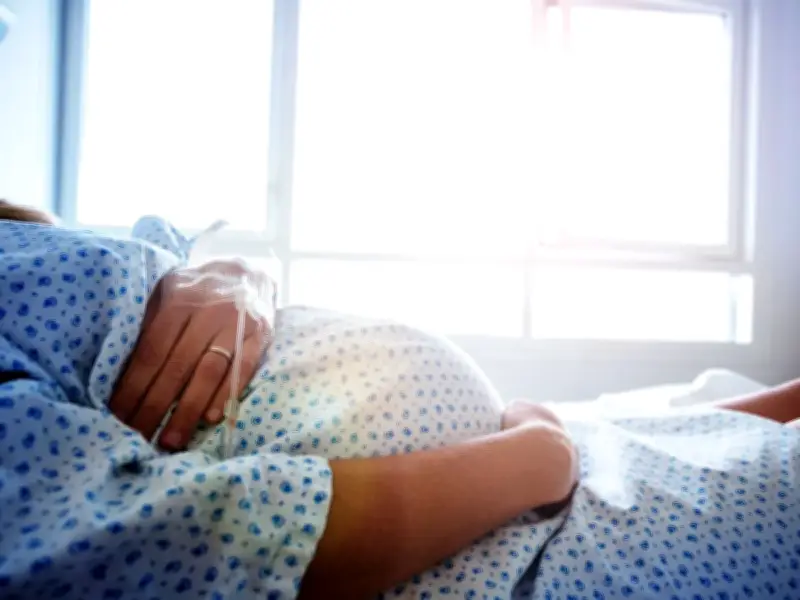
New mothers who have had a caesarean birth are being urged to follow eight steps to recover properly, with experts stressing the need to take it easy during a difficult period. Recovery from a C-section can take six weeks, as it is major abdominal surgery, despite the myth that it is the easier birth option.
Advice from Baby Centre highlights the importance of pacing recovery while also bonding with a newborn. The guidance covers movement, digestive health, and physical limits to help the healing process go more smoothly.
Movement and recovery
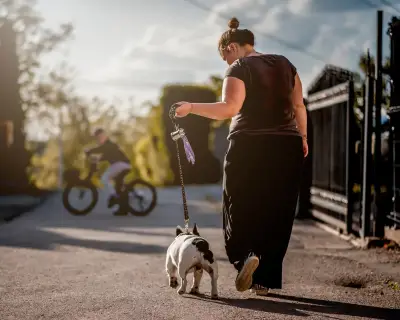
Walking early is recommended to promote healing and prevent blood clots, but progress should be slow. New mums are advised to start with small steps and build up gradually, avoiding doing too much too soon, as it could negatively impact recovery. Listening to the body is key, and movement should stop immediately if it feels uncomfortable.
Digestive health
Staying hydrated by drinking plenty of water is advised to ease digestion, alongside eating fibre-rich foods to prevent constipation. Drinking peppermint tea is also suggested to soothe trapped wind after surgery.
Physical limits
For the first six weeks, women should avoid carrying anything heavier than their baby and steer clear of strenuous tasks or heavy housework during initial recovery.
Why rushing recovery is dangerous
Rushing recovery after a C-section is dangerous primarily because deep internal healing takes far longer than surface healing. While the outer skin incision often closes within two to three weeks, the abdominal fascia only regains about 50% of its strength at six weeks and takes six months or more to approach full strength.
Pushing too hard too soon through heavy lifting or high-impact movement places excessive internal pressure on fragile tissues, risking wound separation, internal bleeding, and incisional hernias. Pregnancy and surgery also disrupt core stability and pelvic floor synergy, meaning strenuous activity forces the lower back and pelvic floor to overcompensate.
Without giving the deep core time to reconnect and rebuild baseline strength, women face a higher risk of chronic lower back pain, worsened abdominal separation, and pelvic floor dysfunction. Overexertion also drains energy reserves during a period of blood loss, hormonal shifts, and severe sleep deprivation.
Attempting to do too much on a day when feeling slightly better often triggers heightened inflammation, exhaustion, and increased pain or postpartum bleeding. Pacing recovery prevents short-term setbacks from becoming long-term complications, ensuring scar tissue remains mobile and building a stable foundation for returning to everyday demands and exercise safely.
Anyone with concerns about C-section recovery or overall health should see a medical professional for advice.