Victims of the NHS Grampian scandal are considering legal action after a whistleblower accused senior health board bosses of covering up dozens of avoidable deaths.
Digby Brown says it has already been contacted by a number of people affected by the alleged failings, as questions grow over the treatment of patients at Aberdeen Royal Infirmary.
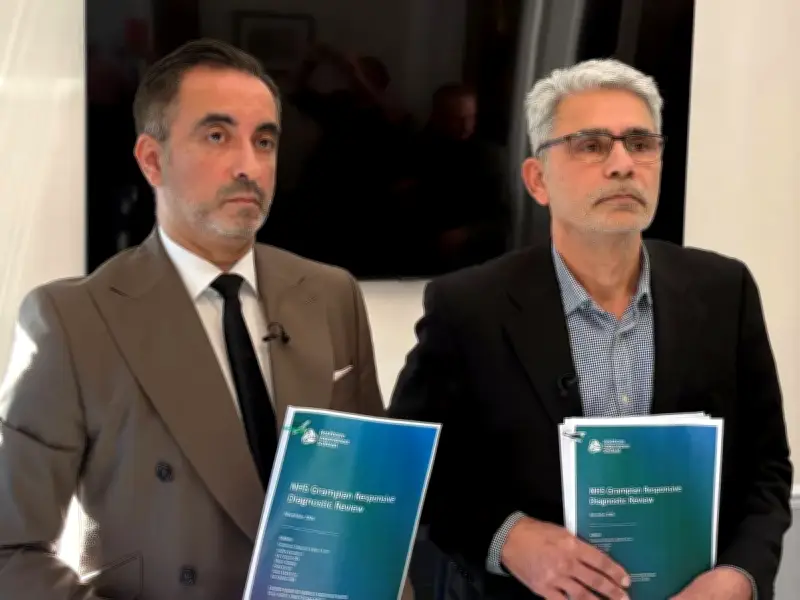
The law firm is now investigating potential claims after consultant surgeon Dr Mohammed Habib went public with allegations that hundreds of patients may have suffered “significant harm or avoidable deaths” in recent years at a press conference in Glasgow on Thursday.
Patients urged to seek legal advice
Trish McFadden, a partner at Digby Brown and clinical negligence specialist, said patients had every reason to question whether they had been let down by the health service.
She said: "The reports coming out about NHS Grampian are understandably shocking to all patients in that area. In this day and age people should trust when they go to hospital they will receive the best care and treatment.
"There will no doubt be many people questioning what their legal rights are if they were affected by the issues outlined in the recent review from Healthcare Improvement Scotland and it’s important they seek independent legal advice to be sure."
Surgeon's concerns and review findings
Dr Habib, who has worked at Aberdeen Royal Infirmary for 36 years, said he had repeatedly raised concerns with senior NHS figures and the Scottish Government but felt he had been left with no choice but to go public after years of trying to trigger action. This included writing to John Swinney three times.
In July 2021, he formally raised concerns about excessive mortality in surgery, identifying 45 cases involving 20 deaths. A review instructed by Healthcare Improvement Scotland in September 2022 examined 45 cases of liver and pancreatic surgery and identified 19 avoidable deaths among 31 patients who died between 2015 and 2021.
Dr Habib subsequently reported 20 cases of possible culpable or corporate homicide to Police Scotland in February 2024. He has called for a public inquiry and a full criminal investigation. He has also accused NHS Grampian of failing to be transparent with families about what happened to their loved ones.
Impact on NHS Grampian
Ms McFadden said the firm believed direct contact from the health board could be important for those considering a claim.
She added: "We have already been contacted by many affected by the NHS Grampian scandal and our early investigations show the key to securing a fair outcome is if they have been contacted by the health board directly and received a letter of apology or adverse event review report that may outline any key failings in their own treatment."
The allegations have piled further pressure on NHS Grampian, which was recently criticised in a damning Healthcare Improvement Scotland report over serious management and patient safety failings. The watchdog identified systemic weaknesses in leadership and management, including concerns over medical workforce planning, recruitment controls and the handling of patient safety issues.
The findings followed revelations that Dr Gray's Hospital in Elgin continued to carry out operations on children despite an instruction to stop all paediatric surgery.
Health Secretary Angela Constance has said NHS Grampian will not be escalated to the highest level of government intervention at this stage, although this remains a possibility.
Responding to the allegations, Laura Skaife-Knight, the chief executive of NHS Grampian, said: “We are aware of the serious allegations raised today. A thorough investigation has already taken place into these matters, with some elements of that work ongoing.
“Any new evidence or information will be carefully considered, and NHS Grampian will continue to respond through the appropriate clinical, governance and legal processes. We understand the allegations will cause further concern to patients, members of the public and staff.
“It is important we respect patient and employee confidentiality, but we can highlight that where reviews identify issues around patient care, the appropriate duty of candour processes are followed.
“This includes direct communication with patients and families where required. If our consideration of any new evidence identifies further individuals who should be contacted, we will do so. Patient safety remains our highest priority.”