
Neanderthals were using stone tools to treat dental cavities nearly 60,000 years ago, according to a new study. A single molar unearthed in a cave in southern Siberia bears a deep hole that appears to have been drilled during the owner's lifetime, making it the earliest known evidence of dental treatment.
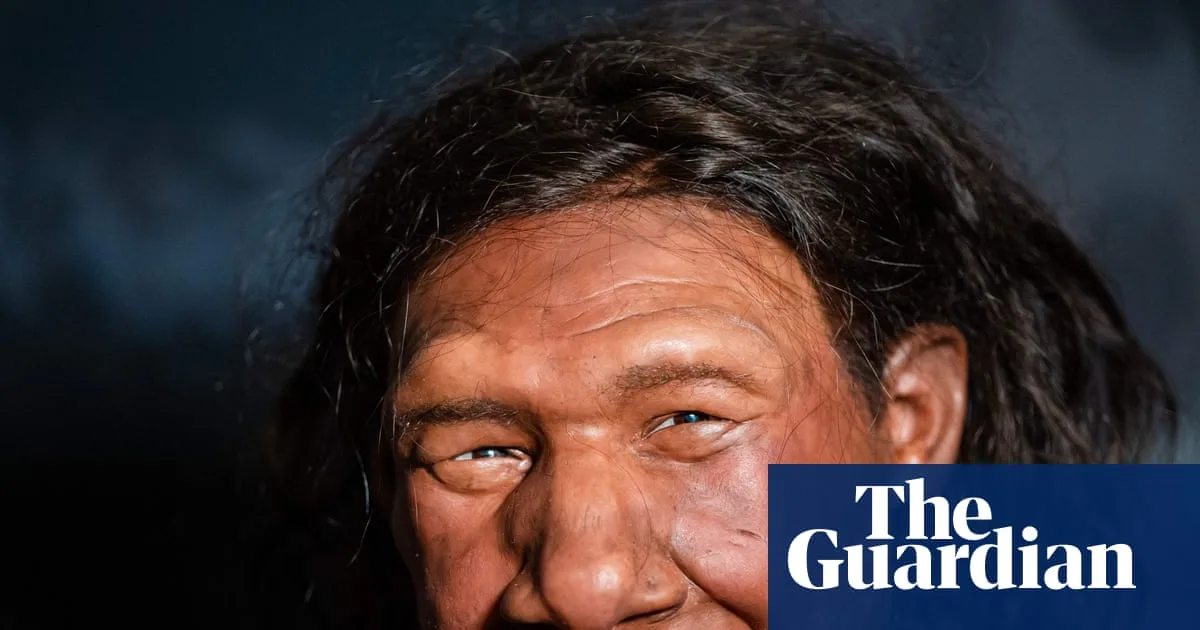
The researchers, led by Dr Ksenija Kolobova of the Russian Academy of Sciences in Novosibirsk, said the discovery adds a new dimension to the growing list of sophisticated Neanderthal behaviours. “This discovery powerfully reinforces the now well-supported view that Neanderthals were not the brutish, inferior cousins of outdated stereotypes but a sophisticated human population with complex cognitive and cultural capacities,” she said.
Experiments on modern human teeth showed that the hole could have been created by manually rotating a narrow, elongated tool made from local jasper between two fingers. Penetrating the dentin would have taken between 35 and 50 minutes of continuous work, the study published in PLOS One reported. The smoothed edges of the drilled cavity and wear patterns inside it suggest the individual survived and continued to chew with the tooth for some time afterwards.
Professor Justin Durham, a dental expert at Newcastle University and the British Dental Association’s chief scientific adviser, described the intervention as “the beginnings of a root canal treatment”. He said it would have relieved the intense pressure caused by infection. “If you put a big hole in the tooth like this Neanderthal dentist did, it would relieve that pressure,” he explained. “This is quite a phenomenal achievement... it really does demonstrate high-level thinking and high-level skills.”
Co-author Dr Lydia Zotkina said the patient must have been exceptionally strong-willed to endure the painful procedure. “Now, every time I go to the dentist, I think about that guy,” she added. The tooth, left unfilled, would have remained vulnerable to chronic infection, but its survival for some time afterwards underscores both the Neanderthals' medical capabilities and their capacity for caring for the sick.




