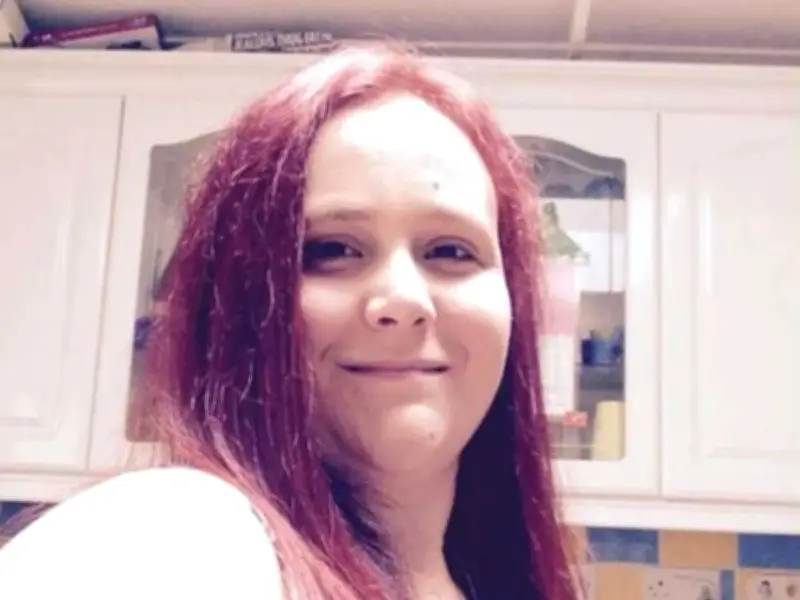
Carrie-Anne Sladden, a 33-year-old mother from Sheerness, Kent, died on Mother's Day 2025 after being prescribed 17 medications. An inquest heard she could have been saved if the serotonin syndrome that killed her had been diagnosed and treated earlier.
Overprescription and Missed Diagnoses
At the inquest at Oakwood House in Maidstone, coroner Ian Potter heard from medical experts that Sladden had been overprescribed medication and was not correctly diagnosed before her death. Toxicology tests revealed fatal concentrations of two antidepressants capable of causing serotonin toxicity in her body.
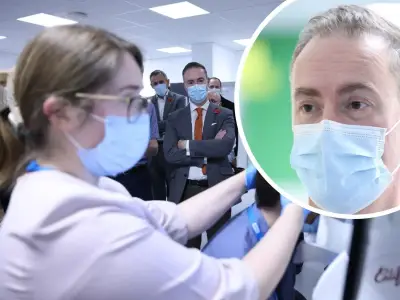
Sladden had a complex medical history, including chronic pain, respiratory disease, diabetes, Addison's disease—a rare condition where the adrenal glands do not produce enough hormones—and mental health problems. Dr Christopher Olukanni, a clinical director at College Health, reviewed her medication in December 2024 and found she was prescribed 17 or 18 medicines, including powerful painkillers alongside antidepressants, diazepam, and pregabalin. GPs would typically raise concern if a patient was prescribed eight or more.
Events Leading to Her Death
On Mother's Day, Sladden and her then 15-year-old daughter, Olivia-Jo Moloney, had planned to surprise her mum, Helene Sladden, with a trip to Wetherspoon, followed by a visit to the cinema and arcade. But the plans were cancelled after Sladden became unwell with what was thought to be a chest infection.
Several calls were made to NHS 111 and 999 from March 29, 2025, as she struggled to breathe. Sladden went into cardiac arrest on March 30, and her sister Sarah-Louise Luckhurst, 38, performed CPR. Paramedics and an air ambulance crew tried to save her, but she died that evening.
Medication Changes and Inadequate Notes
At an appointment at Sheerness Health Centre on March 12, 2025, GP Dr Pragasam prescribed citalopram, an antidepressant, as a replacement for the trazodone she had been taking, saying he considered it safer. He told the inquest he understood Sladden had already stopped taking trazodone before he prescribed this change. However, her family questioned whether she had been clearly told how to stop one antidepressant before starting the other.
The coroner said he could not make a detailed finding about exactly what advice had been given, but he found Dr Pragasam's notes were inadequate. The GP accepted they could have been more detailed and said he would make fuller notes in future. The coroner also heard he had since changed his practice and was due to retire in January.
Missed Opportunities and Medical Cause of Death
Pathologist Dr Mohammad Khan explained that serotonin syndrome occurs when there is excessive serotonin activity in the body, which can cause a life-threatening reaction. In Sladden's case, the condition caused severe lung injury, with fluid filling her lungs and preventing sufficient oxygen from reaching her bloodstream, ultimately leading to acute respiratory failure. Dr Khan told the inquest Sladden could have survived if serotonin syndrome had been correctly diagnosed and treated earlier.
South East Coast Ambulance Service (SECAmb) received several calls about her breathing difficulties. Paramedics attended on March 29, but she was not taken to hospital, with the service claiming she had refused to attend. Her family disputed this, saying she could barely speak at the time. A further call on March 30 was downgraded from an emergency response following a telephone assessment, and she was advised to continue taking antibiotics. A later call at 4.43pm reported that Sladden had gone into cardiac arrest. Despite efforts, she was pronounced dead at 5.50pm.
The coroner said the decision to downgrade the earlier call had been unsafe and represented a missed opportunity for a face-to-face assessment. An internal audit by SECAmb found that Sladden's breathlessness and Addison's disease had not been properly explored during the telephone assessment. Mr Potter said he could not establish whether an in-person assessment or hospital admission would have changed the outcome.
A SECAmb Trust spokesperson said: “We welcome the Coroner's careful consideration of the evidence and note his conclusion that he was unable to find that the shortcomings identified contributed to Carrie's death. However, we fully acknowledge the missed opportunity identified during the hearing for a further face-to-face clinical assessment. We are committed to learning from every incident where there is an opportunity to improve. We will reflect on the Coroner's findings, review any learning arising from the inquest and take any necessary action to further strengthen our processes and reduce the risk of similar situations occurring in the future. We would like to extend our sincere condolences to Carrie's family and loved ones following her death.”
The coroner recorded Sladden's medical cause of death as acute respiratory failure caused by lung injury, resulting from serotonin syndrome and polysubstance toxicity. He found she had not intended to overdose. At the end of the inquest, Mr Potter apologised to the family for their loss and thanked them for their participation.
Family's Response and Legacy
Olivia said her mum was not “just another patient” or a name on a medical record. She was a person who deserved to be listened to and given the care she needed. “My mum mattered. Her life mattered,” she said. “I will never get the chance to have my mum back.”
The family said they wanted healthcare professionals to listen to patients, take their concerns seriously and investigate their symptoms. “Losing Carrie, a mum, daughter, sister and aunt, is heartbreaking enough,” they said. “To lose her so suddenly on Mother's Day, through something that could have been prevented, has devastated us all.”
Her family described Carrie as bright, funny and strong-willed, with a “fiery personality” and no filter. She loved baking cakes and biscuits, doing arty things and spending time with animals. Despite her health problems, they said she had a huge heart and loved unconditionally. Carrie-Anne leaves behind her siblings Donna Colwill, Sarah-Louise Luckhurst, Connor Sladden, her mum Helene Sladden, her daughter Olivia-Jo Moloney, 17, two nieces, four nephews and her brother-in-law Russ Colwill. The family said they now intend to take their complaints further following the coroner's findings. NHS Kent and Medway have been contacted for comment.