
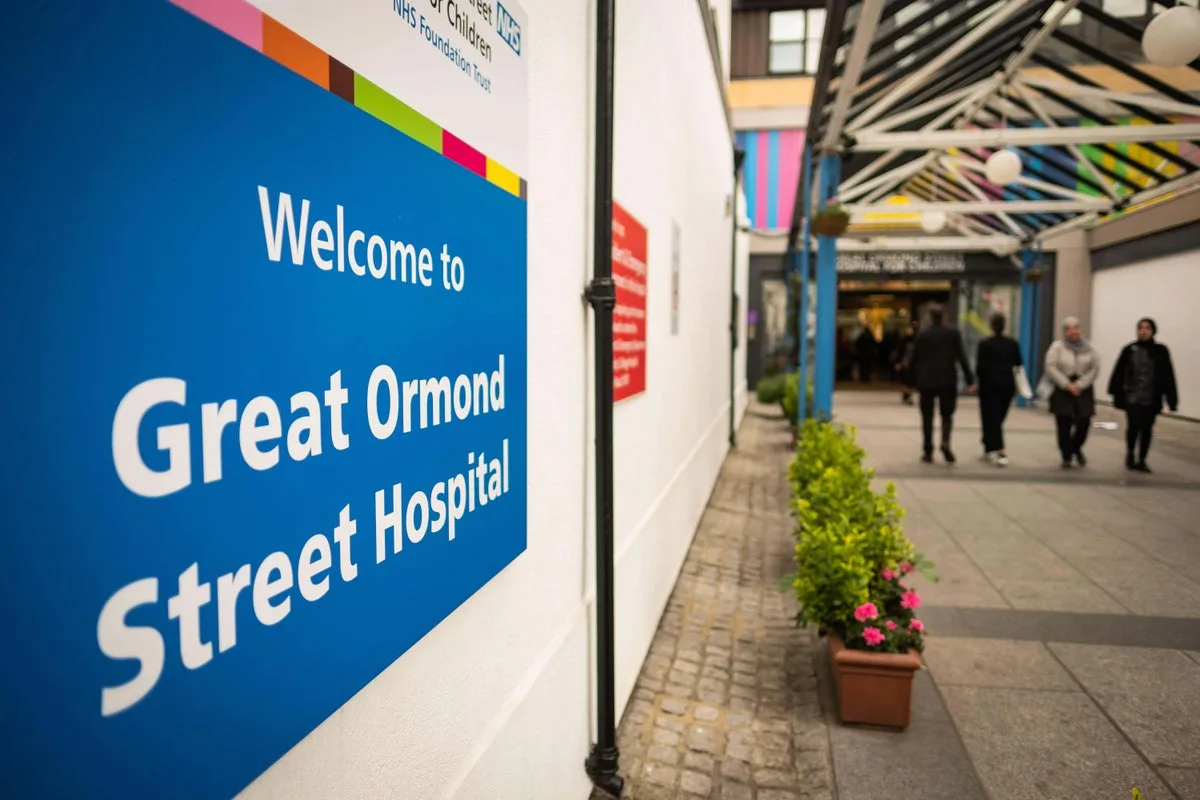
Great Ormond Street Hospital (GOSH) has been criticised by the NHS watchdog for using physician associates to fill gaps on its surgical rota. The Care Quality Commission (CQC) found during an inspection in October 2024 that the hospital had resorted to using physician associates (PAs), soon to be renamed physician assistants, to cover for registrars due to short staffing.
The use of physician associates in the NHS has been controversial, particularly following the death of Emily Chesterton in 2022. She died from a pulmonary embolism after being misdiagnosed twice by a PA, who she believed to be a doctor, at her GP surgery in north London. A national review led by Professor Gillian Leng recommended that PAs should be renamed and only see patients in limited circumstances, recommendations which the government accepted.
The CQC inspection of GOSH was triggered by concerns over the care of hundreds of children treated by orthopaedic surgeon Yaser Jabbar, who was accused of carrying out botched surgeries. Last year, GOSH launched a review of 723 children treated by Mr Jabbar, finding that 22 children had come to harm, including amputations that might have been avoided and injuries causing lifelong pain.
The CQC report cited concerns over “governance” and “surgical accountability and oversight” at the trust. It stated: “A key area of risk identified was the safe staffing levels within surgical services. Reports indicated that physician associates were being used to fill registrar rota gaps.” The report noted that PAs reported directly to a named consultant and could seek additional clinical support from senior registrars or fellows as required.
In response, GOSH began a recruitment drive, with new nurses in training and temporary staff cover arranged where required. However, gaps remained in some key areas, particularly within ear, nose and throat and urology services. A GOSH spokesperson said: “Physician associates are a valued part of our multidisciplinary team – they are assigned daytime shifts within a specific physician associate roster and are always supported by at least one consultant.”
The controversy comes as the government faces ongoing strikes from resident doctors across England over pay and a lack of specialist training posts. The British Medical Association has warned that thousands of resident doctors will not get specialist training jobs, with around 30,000 doctors competing for 10,000 posts.




