
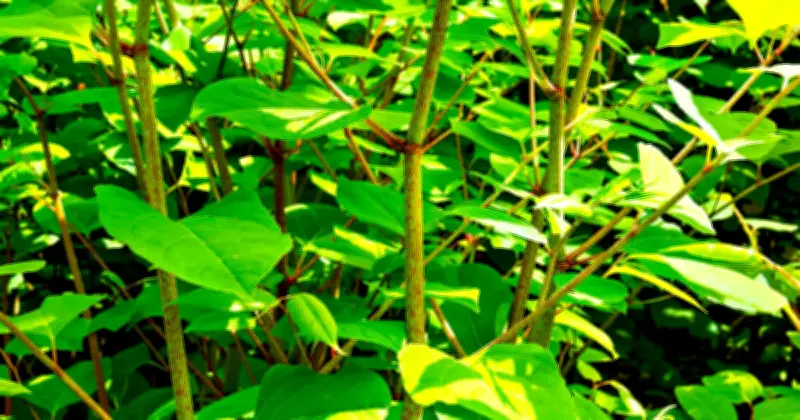
Japanese knotweed is a perennial plant native to East Asia, classified as an invasive species and regulated by law. It is notorious for causing structural damage to properties. A lawyer has now outlined the steps you should take if your neighbor refuses to address a Japanese knotweed problem that spreads to your garden.
Understanding the Severity
The Royal Horticultural Society states that the easiest and most effective way to remove Japanese knotweed is to hire a professional firm with experience in invasive weed removal. However, persuading a neighbor to pay for such treatment before it affects your property can be challenging.
One concerned resident wrote to The Mail: "Japanese knotweed has spread from my neighbour's garden to mine. I asked a surveyor to take a look and she warned it could damage the foundations and slash my property's value. But my neighbour shrugs it off as 'just a weed' and refuses to lift a finger. Can I force them to treat it and get compensation?"
Legal Perspective
Consumer lawyer Dean Dunham KC explained that the problem is more serious than the neighbor seems to realize. He noted that the law gives the homeowner "real teeth here," describing it as a textbook case of "private nuisance." This term means unlawful interference with the enjoyment of their property. He referred to specific case law, Network Rail v Williams (2018), which confirmed that Japanese knotweed constitutes an actionable nuisance even before it causes physical damage, due to its impact on property value and sale prospects. Dunham stated: "Your neighbour's 'it's only a weed' defence therefore simply won't wash."
Recommended Steps
Dunham advises initially putting concerns in writing by sending a formal letter. The letter should articulate the issue, include findings from your surveyor, and require that the neighbor seek professional removal. A reasonable deadline should be set, with Dunham suggesting 28 days, and copies should be retained. If the neighbor disregards the letter, the homeowner could seek a claim.
Dunham described how a court could impose an injunction forcing the neighbor to take action. Additionally, the court could award damages not only for the cost of removal but also for residual diminution in property value. He warned that the claimant must act quickly, as Japanese knotweed must be declared when selling a property, which could jeopardize a future sale or affect a buyer's chances of getting a mortgage.
Expert Insights on Impact
Chartered surveyor Bradley Mackenzie from Stokemont commented on the impact of knotweed: "The plant's extensive root system, known as rhizomes, can penetrate foundations, walls, and drains, leading to structural damage. This can result in costly repairs and reduce the appeal and integrity of the property." He added: "Even if controlled, its historical presence can lower a property's value due to the stigma associated with it. Some insurance companies may refuse coverage or charge higher premiums for properties affected by Japanese knotweed due to the risks it poses. If you are selling your property, you are legally obligated to disclose the presence of Japanese knotweed to potential buyers."




