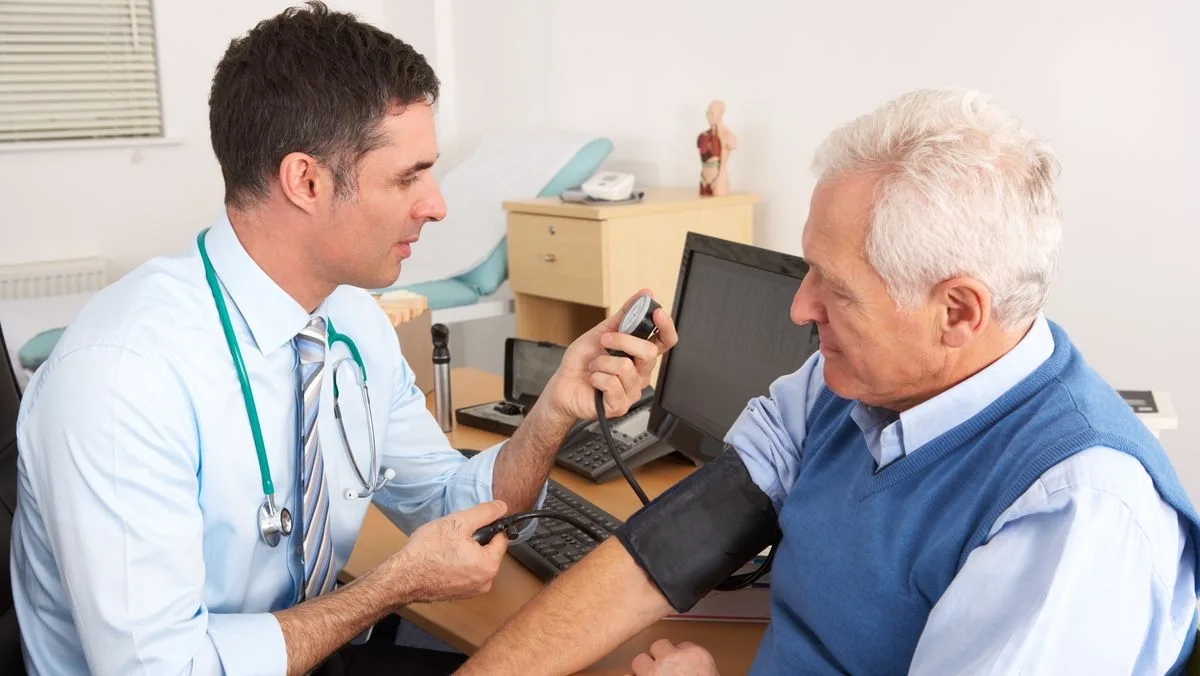
Brits have been advised to ask three specific questions to their GP if they feel their health concerns are being dismissed. An NHS doctor has shared some simple steps we can all take to ensure we feel properly heard.
Doctor Karan Rajan, known as Dr Raj on TikTok, highlighted the need for patients to advocate for themselves if they believe their symptoms are being overlooked. He told his more than five million followers: "If you feel that your doctor ignores your concerns and undermines your symptoms, here is how to advocate for your health."
Dr Raj urged people to ask even those questions that might feel awkward, saying: "Ask questions, even the awkward ones." He explained that while doctors are trained in critical thinking, they often work on autopilot, meaning that posing questions can prompt them to review your concerns more thoroughly.
Three Key Questions to Ask Your GP
Dr Raj recommended three particular questions to put to your GP:
- What else could this be?
- Are there any tests we haven't done yet?
- Can you explain why you think this is normal for me?
Four Additional Strategies
In addition to asking these questions, he put forward four further strategies to guarantee your health concerns are given proper consideration.
Keep a Symptom Log
Dr Raj recommended keeping a detailed account of all symptoms experienced to share with your GP. "Keep a comprehensive record of your symptoms, noting when they occur, their severity, what alleviates or exacerbates them, and how they affect your daily life," he advised. "Pro tip - use precise language, for instance, instead of saying 'I'm tired', say 'I feel as if I've been hit by a lorry at 2pm every afternoon and it's causing me to miss work deadlines.'"
Ask for a Referral
If you feel your concerns aren't being addressed, you should request a referral to a specialist. Dr Raj suggested: "If your doctor is puzzled or worse, dismissive, ask for a referral to a specialist. Specialists possess more in-depth knowledge in specific areas. For example, persistent muscle pain could be indicative of fibromyalgia. That severe menstrual cramp could be endometriosis. Pro tip - frame it as curiosity, not confrontation. For instance, 'I would feel more at ease ruling out X. Can we investigate this with a specialist?'"
Bring Backup
He also advised bringing a trusted friend or family member to your appointments if you feel your concerns aren't being heard. "Having a reliable friend or family member present at your appointment can make a significant difference," said Dr Raj. "They can take notes as follow-up questions and back you up if you feel dismissed."
Know Your Rights
Dr Raj also recommended seeking a second opinion or reaching out to patient advocacy groups if necessary. He added, "In most countries you're entitled to a second opinion and access to your medical records, use these rights liberally." As an additional tip, he mentioned: "Pro tip - if you're dealing with a complex or chronic condition, consider consulting patient advocacy groups or online communities for advice."






