
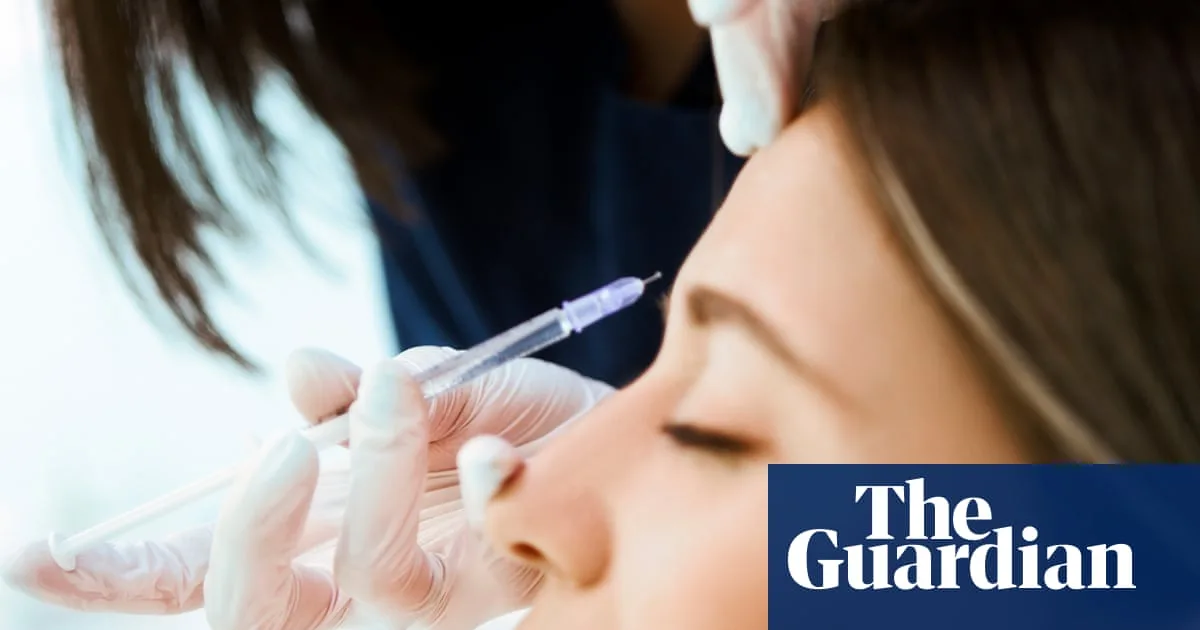
The UK's medicines watchdog has warned that sellers of counterfeit Botox could face up to two years in prison, as it intensifies efforts to combat the illegal trade of unlicensed anti-wrinkle products. The Medicines and Healthcare products Regulatory Agency (MHRA) is cracking down after a spate of botulism cases in England linked to such products.
Between 4 June and 6 August 2025, 41 people are believed to have been affected by botulism, a potentially fatal condition that attacks the nervous system and can cause paralysis if untreated. The MHRA is deploying more resources to target those breaking the law, with offenders also facing unlimited fines under the Human Medicines Regulations 2012.
Andy Morling, head of the MHRA's criminal enforcement unit, said: 'Criminals are exploiting the popularity of cosmetic treatments by peddling dangerous, unlicensed products, putting profit before safety. The 41 individuals we’ve seen between June and August left seriously ill represent the devastating human cost of this trade.'
The MHRA, working with Border Force, has seized over 4,700 vials of unlicensed botulinum toxin since May 2023, mostly originating from South Korea. Among the products is Innotox, a Botox-like medication not licensed for UK use, which experts warn has led to some people attempting DIY injections, risking eyelid droops, infections, tissue damage, and botulism.
Aenone Harper-Machin, a consultant plastic surgeon and spokesperson for the British Association of Plastic, Reconstructive and Aesthetic Surgeons (Bapras), welcomed the MHRA's action. She said: 'Botulinum toxin is a prescription-only medicine that should only be administered in a clinical environment by qualified healthcare professionals. When used improperly, it can cause devastating and even life-threatening complications.'




