
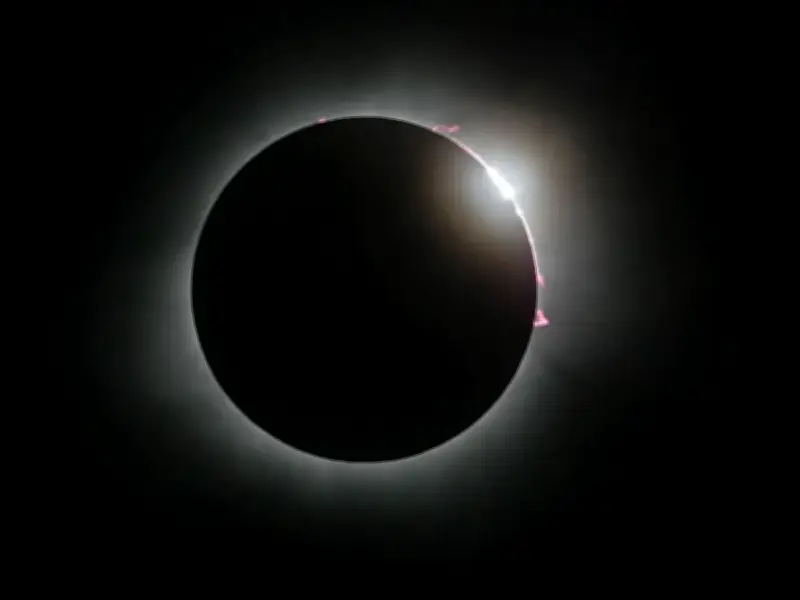
The UK is set to witness its most substantial solar eclipse since 1999 this evening, with the moon obscuring nearly 90% of the sun. This marks the final occasion until 2081 that such a significant eclipse will be visible from the region. Millions across the UK and Europe are anticipated to turn out for the spectacle, which is scheduled to take place between 6:17pm and 8:06pm today as the sun, moon and Earth align.
Experts Warn of Serious Eye Damage
Despite the temptation to stare, experts are cautioning people to exercise care, as gazing at the eclipse can cause severe damage to eyesight – and you might not even realise it has happened until later. Khuram Sarwar, a dispensing optician at Feel Good Contacts, cautions that viewing the eclipse without proper protection can result in "serious and permanent damage" to vision.
He explained: "Even when most of the sun appears to be covered, the remaining sunlight is still intense enough to harm the retina."
How to View the Eclipse Safely
The safest method for observing the eclipse is through certified solar viewing glasses that comply with the ISO 12312-2 safety standard. This international standard for filters designed for direct solar observation ensures that harmful ultraviolet, infrared and visible light are adequately blocked to safeguard your eyesight.
Khuram added: "For those who don't have access to eclipse glasses, indirect viewing methods such as a simple pinhole projector are a much safer alternative. These allow you to observe the eclipse without looking directly at the sun."
Why Regular Sunglasses Are Not Enough
Regardless of how dark the tint on your sunglasses may be, they won't shield your eyes from the sun's harmful rays. The same applies to contact lenses, even those with UV-blocking capabilities.
Khuram explained: "Contact lens wearers often ask whether their lenses provide any protection during an eclipse, but they don't. Even those with UV-blocking properties aren't designed to protect the eyes from the intense solar radiation produced by direct sun viewing."
People should also avoid looking at the eclipse through cameras, binoculars or telescopes unless they are fitted with specialised solar filters. Khuram cautioned: "Looking through magnifying optics without the correct protection can concentrate the sun's light and cause severe eye injuries in a matter of seconds."
Potential Risks to Vision
The threat to vision during an eclipse is substantial. The Royal College of Ophthalmologists warns that even brief exposure to light can cause permanent damage. College President Mohamed Elalfy warned: "Looking directly at the sun during a solar eclipse can cause damage to the retina, potentially damaging the cells responsible for sharp central vision. Crucially, the retina has no pain receptors, so people will not feel the damage as it happens."
He continued: "Symptoms may only become apparent several hours later and can include blurred vision, a central blind or dark spot, distorted vision, reduced colour perception and increased sensitivity to light. While some people recover over weeks or months, others can be left with permanent visual impairment."




