
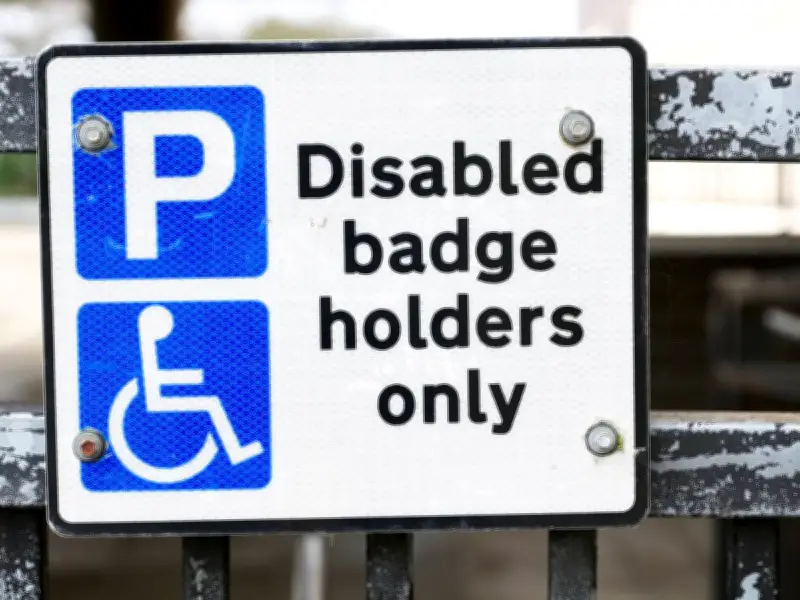
Thousands of people rely on Blue Badges, but many still assume they are only for wheelchair users or those with severe physical disabilities. However, the scheme also supports people with invisible conditions that affect their ability to travel independently.
Lee Cartwright, owner of Mobility Solutions Direct, said misconceptions around eligibility could mean some people were missing out on the support they need.
Expert: 'It's worth looking if eligible'
Lee said: "A lot of people still picture a Blue Badge as something only needed by someone using a wheelchair, but mobility challenges can look very different from person to person. Someone may have a condition that makes walking difficult, painful or unsafe, even if that isn't immediately obvious to others."
He added: "If getting around has become more difficult, it's worth looking into whether you may be eligible. A Blue Badge isn't about judging how someone looks; it's about understanding the impact a condition has on their ability to access everyday places."
Who qualifies for a Blue Badge in UK
People may qualify automatically if they meet certain criteria, while others may need to apply and provide information about how their condition affects their mobility.
Eligibility can include people who:
- Cannot walk at all
- Cannot walk without help from someone else or using mobility aids
- Find walking very difficult due to pain, breathlessness or the time it takes
- Have a severe disability in both arms and drive regularly, but cannot operate pay-and-display parking machines
- Have a child under the age of 3 with a medical condition that means the child must always be kept near a vehicle in case they need emergency medical treatment
- Find it difficult or impossible to control your actions and lack awareness of the impact you could have on others
- Regularly have intense and overwhelming responses to situations causing temporary loss of behavioural control
- Frequently become extremely anxious or fearful of public/open spaces
- Have ADHD, autism, or anxiety
- Have severe epilepsy
- Have heart failure or arrhythmia and are unable to walk far without experiencing pain or fatigue
Lee said more awareness around the scheme could help ensure support reaches the people who need it: "A Blue Badge is there to help people stay independent and continue taking part in everyday life. Understanding who may be eligible means more people can access support when they need it."




