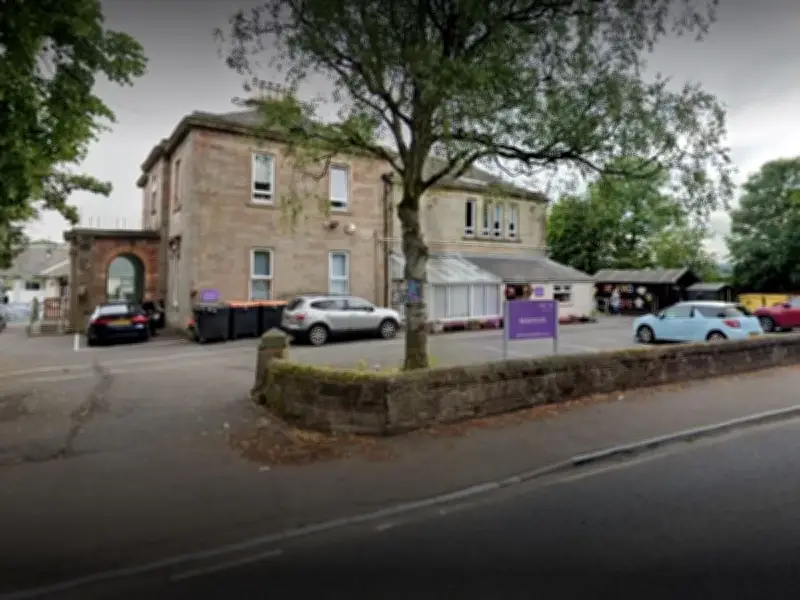
Newhouse Care Home on Galston Road, Hurlford, has been graded 'good' against the quality indicator that measures how well a service supports people's wellbeing. The grading follows an unannounced visit from the Care Inspectorate in August, with the findings now published.
Key strengths identified
Among the key messages, the Care Inspectorate said the service had made "good progress" in improving how people's health needs were assessed, recorded and monitored. People benefited from "person-centred care plans" and "strong partnership working" with healthcare professionals.
The plus points continued: people had "increased opportunities" to participate in activities and maintain "meaningful daily experiences." Leadership at the home had taken "positive action" to improve culture, practice and staff accountability across the service.

Areas for improvement
The Care Inspectorate said Newhouse needs to "strengthen" how it evidences the involvement of people, families and advocates in review processes.
Newhouse is registered to provide a care home service to a maximum of 22 adults with learning difficulties who may also have physical disabilities. The service is also registered to support a specific client with mental health issues and/or alcohol related brain damage. The provider is Parkcare Homes No.2 Limited, part of the Priory Group. At the time of inspection, there were 19 people living at Newhouse.
Inspection findings
An extract from the Care Inspectorate report said: "Several important strengths had a positive impact on people's health and wellbeing and clearly outweighed the areas for improvement.
"People supported appeared comfortable, well presented and engaged in the life of the home. During our inspection, we observed people who were appropriately dressed and well groomed. Most people we spent time with appeared relaxed and comfortable in their surroundings."
The report also highlights the "significant progress" in addressing the previous area for improvement relating to health documentation. It said: "Comprehensive health summaries had been obtained and care plans updated to reflect people's current health needs. Wound management systems had also improved. We saw evidence of daily monitoring, treatment plans and repositioning records being completed consistently. Sampling of records demonstrated that people with wounds received ongoing monitoring and appropriate intervention. This gave us confidence that staff had the information they needed to support people's health and wellbeing effectively."
Remaining concerns
There were, however, a "small number" of areas where further improvements "were needed." The report states: "During a lunchtime observation, one person waited a considerable period of time for staff assistance with eating- despite staff being aware support was required.
"Although this was not representative of all care observed, it demonstrated that people did not always receive assistance when they needed it.
"The service should continue to strengthen oversight of mealtime practice to ensure everyone consistently experiences positive and person-centred support."
Review processes were "generally well organised and up-to-date." However, internal review records "did not consistently demonstrate" who had participated in discussions or how the views of the person, their guardian or advocate had informed decisions. "Improving this would provide stronger assurance that people are fully involved in planning and reviewing their care and support," the report adds.