
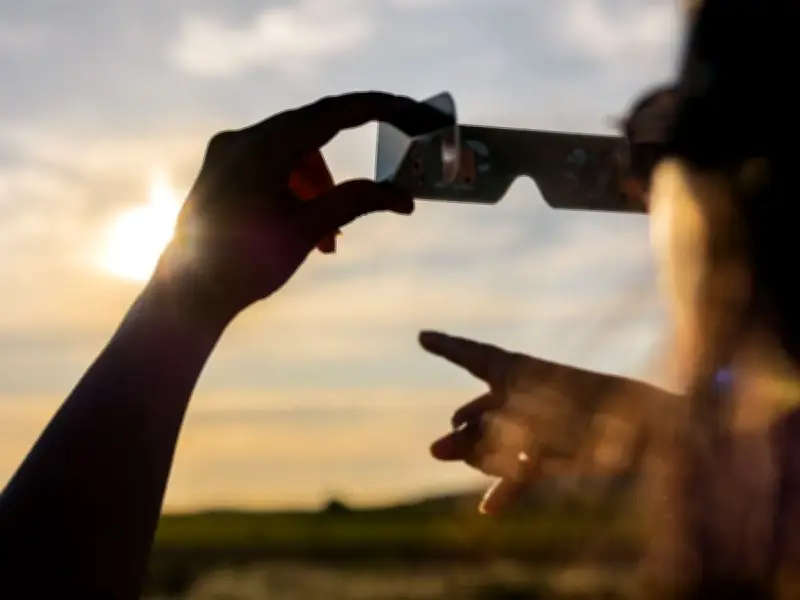
Peter Smith, from Taunton, Somerset, is warning others about the dangers of looking directly at an eclipse after he permanently damaged his eyes 27 years ago. On 11 August 1999, he watched the eclipse in the UK using a welder's helmet, thinking it would protect his eyes like eclipse glasses do.
Permanent damage from a minute's viewing
After looking at the eclipse for about a minute, Smith began suffering severe headaches and blurry vision. He sought medical help and was diagnosed with permanent retinal damage. Even today, he still experiences side-effects, including a flashing dot appearing in his vision when he is tired.
Speaking to the BBC, Smith said: "Even now there is a residual impact. When I’m tired sometimes a flashing dot might come back, and it’s not nice when it does. If you’re going to go and watch it, make sure that everything you’ve got is correct."
Advice for safe viewing
Smith emphasised the importance of using proper eye protection. He explained: "Make sure it’s got the right protection and filters to stop any damage because any damage you get, it’ll never heal. It’s not like cutting your hand."
Experts warn that looking directly at the sun during an eclipse, even through ordinary sunglasses, binoculars, cameras or telescopes, can burn the retina without causing immediate pain. Symptoms may include blurred or distorted vision, flashing lights, light sensitivity, or a dark spot appearing hours later.
Seek medical help if symptoms occur
Anyone noticing changes in their sight should contact an optometrist or NHS 111 urgently. If sudden sight loss or severe eye pain occurs, go to A&E or call 999.




