
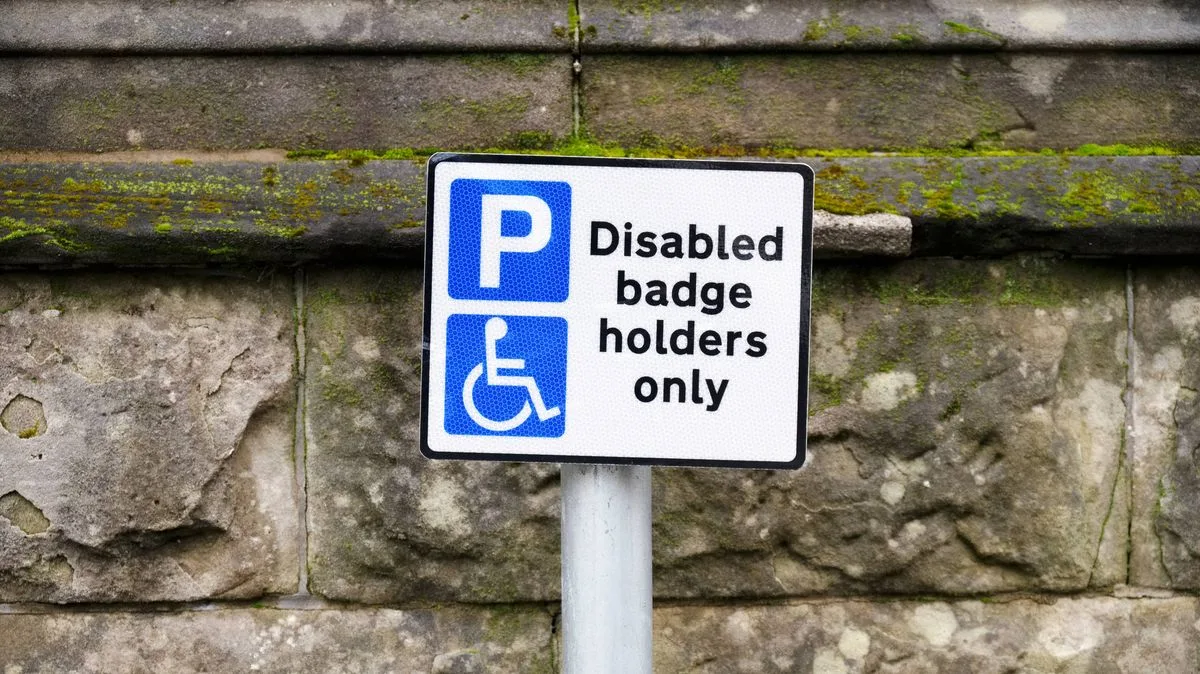
Blue Badges are designed to assist individuals with serious mobility issues by allowing them to park closer to their destinations. Holders and their drivers can use disabled parking spaces and, in some cases, park on double yellow lines.
To qualify, applicants must meet criteria set by the Government. Some individuals automatically qualify, while others are assessed on a case-by-case basis. Automatic qualification applies to those who receive certain benefits, such as the higher rate of the Mobility Component of Disability Living Allowance, or have a score of 10 points under descriptor E in the 'planning and following journeys' activity of Personal Independence Payment (PIP).
Additionally, 13 other conditions may make someone eligible, including being a child under three with a medical condition requiring bulky equipment, having a terminal illness, or being a driver with severe上肢 disabilities. Other qualifying conditions include being registered blind, having a temporary disability lasting at least 12 months, or being a member of the armed forces with a service-related injury.
The application process is managed by local councils, which determine eligibility and set fees. In England, the permit costs up to £10, in Scotland up to £20, and in Wales it is free. Blue Badges are valid for up to three years, after which a new application is required. Processing can take 12 weeks or more.
If an application is rejected and the applicant believes facts were overlooked, they have the right to request a review. Applications can be made via GOV.UK for England, Scotland, and Wales, while Northern Ireland has a separate process.




