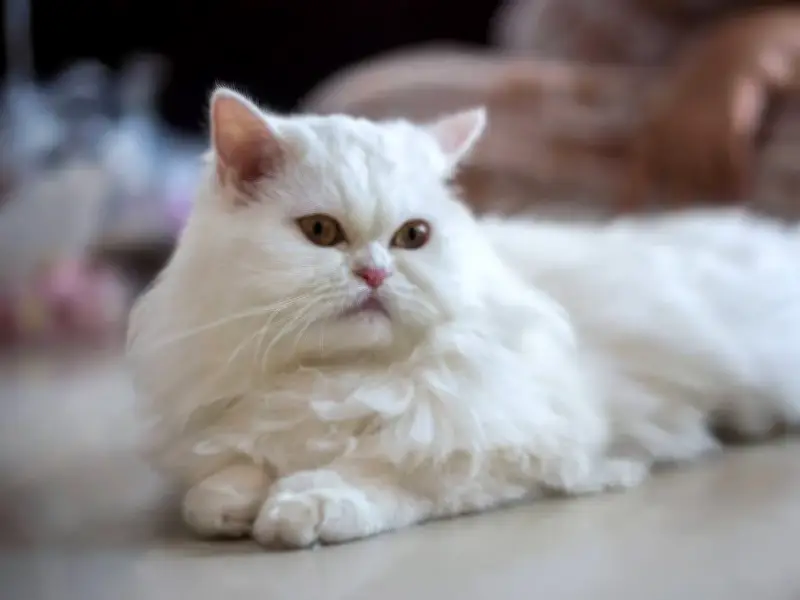
While cats are often seen as independent pets that can entertain themselves, certain breeds are more susceptible to separation anxiety and may struggle when left alone for long periods. Recognising the signs and knowing which breeds are affected can help owners provide the right support.
Signs of Separation Anxiety in Cats
According to Cats Protection: "In both cats and dogs, separation-related behaviours can be linked to when a particular member of the household leaves, even if other people are still around. So, even if you leave your cat with someone at home, you may still notice changes in their behaviour."
Symptoms can include restlessness, excessive meowing, being unusually startled by loud noises or disturbances, refusing food, hiding more than usual, toileting outside the litter tray, excessive scratching at furniture, and, in severe cases, vomiting or diarrhoea.
Breeds Most Likely to Be Affected
Below are seven cat breeds that may be particularly susceptible to distress when left alone.
British Shorthair – While not the most affectionate breed, British Shorthairs value time with their owners and can develop separation anxiety when left unaccompanied. They usually cope with short periods of solitude, but prolonged lack of human interaction can trigger stress.
Bengal – Bengals are high-energy, intelligent, and inquisitive, requiring substantial mental and physical engagement. Extended periods of isolation can be challenging, so owners should be prepared to devote considerable attention to this breed.
Siamese – Siamese cats are notably affectionate, sociable, and human-focused. Research published in PLOS One identified Siamese cats as among the breeds most susceptible to separation-related issues.
Burmese – Lively and clever, Burmese cats often enjoy games like fetch. Like Siamese cats, they form deep bonds with their humans and can experience separation anxiety during prolonged absences.
Persian – Described as "gentle, calm, and affectionate," Persians often form strong attachments to their families. When left alone too frequently, some may feel anxious or insecure and need the comfort and presence of their owners.
Sphynx – Energetic, lively, and mischievous, the Sphynx thrives on attention, companionship, and enrichment. Regularly left alone for long periods, they may become distressed, bored, and destructive.
Ocicats – Spirited and somewhat mischievous, Ocicats often bond closely with one family member. Requiring social interaction, they can become distressed during prolonged solitude and are best suited to an active, engaging household where they receive ample attention.
Helping Your Cat Cope
Owners of these breeds should be mindful of the time they spend away and consider strategies to reduce stress, such as providing enrichment, maintaining routines, and ensuring social interaction when at home. Recognising the signs early can help prevent more severe behavioural issues.