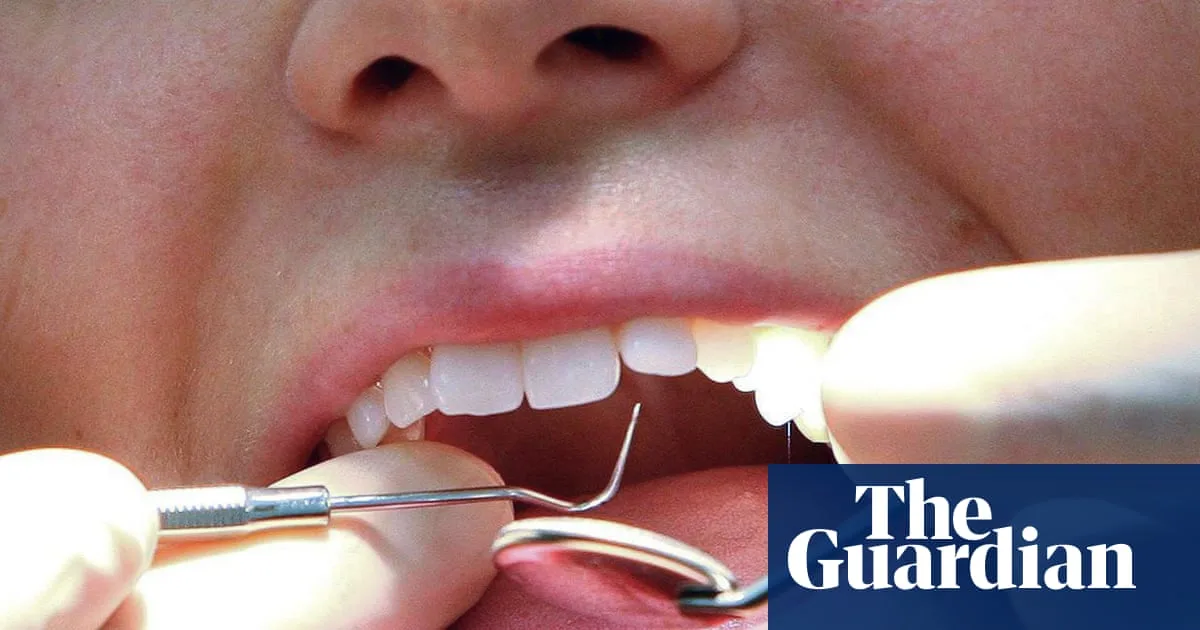
Private Dentistry Costs Soar as CMA Launches Market Study
Private Dentistry Costs Soar Amid CMA Market Study

Private Dentistry Market Under Scrutiny as Prices Skyrocket

The Competition and Markets Authority (CMA) has initiated a comprehensive market study into Britain's £8 billion private dentistry sector, following alarming evidence of steep price increases that are burdening patients across the nation.

Sharp Rise in Treatment Costs

Recent data reveals that the average cost of a simple tooth extraction, one of the most common dental procedures, has surged by a staggering 33% to £139 between 2022 and 2024. Similarly, initial consultation fees have jumped by over 23% to £80, while routine check-ups for existing patients rose by more than 14% to £55 during the same period.

Other treatments have also seen significant hikes: a scale and polish increased by 15% to £75, a white filling by more than a fifth to £129, and anterior root canal work by 14% to £400, according to research cited by the CMA.

Wide Pickt banner — collaborative shopping lists app for Telegram, phone mockup with grocery list

Market Composition and NHS Access Crisis

Private practices now dominate Britain's dentistry landscape, accounting for nearly 70% of the over £12 billion annual market. Of the more than 12,000 dental practices in the country, approximately 2,000 are part of large businesses with over 30 sites each, while just over 8,000 operate as independents.

Only 15% of practices exclusively offer NHS work today, with just under a fifth being purely private; the remainder provide a mix of both services. This shift has contributed to a severe access crisis, with one in five people in Britain turning to private dental care in 2024, primarily due to difficulties securing NHS treatment.

The inability to obtain NHS appointments at all and long waiting times are the biggest drivers behind this trend. Alarmingly, a quarter of people report that their local dentist has ceased offering NHS treatments, and over 12 million individuals were unable to access NHS dental care in England alone, representing more than one in four adults.

Impact on Vulnerable Groups and DIY Dentistry

The escalating costs and limited access are disproportionately affecting vulnerable and low-income households, including children. Data from the House of Commons Library indicates that 40% of children did not receive their recommended annual dental check-up last year, exacerbating declining dental health nationwide.

In extreme cases, the financial strain has led to reports of "DIY dentistry," with some individuals resorting to pulling out their own teeth due to unaffordable private care. This troubling phenomenon underscores the urgent need for reform in the sector.

CMA Investigation and Political Response

Chancellor Rachel Reeves first raised concerns about the market in November, highlighting issues such as hidden costs, lack of transparency, and overtreatment. She called for urgent action to reduce prices, especially amid ongoing cost-of-living pressures, and noted reports of some dentists offering NHS care for children only if parents signed up for private services.

The CMA's market study will examine both essential and cosmetic treatments, seeking feedback from patients and dental professionals to assess how well the market functions. Sarah Cardell, chief executive of the CMA, emphasized that while private dentistry is a choice for some, it is a necessity for many, and clear information is crucial for informed decision-making.

Eddie Crouch, chair of the British Dental Association, criticized the government's approach, arguing that the inquiry is being used to avoid spending on NHS improvements. He stated that private dentistry delivers high-quality, cost-effective care valued by millions, but those forced into it are victims of Treasury decisions.

Potential Outcomes and Future Steps

The CMA has clarified that its review is not a criticism of clinicians but an examination of market dynamics for consumers. It could lead to direct regulatory action or recommendations for sector changes, particularly as dentistry is devolved to national governments. The findings aim to enhance transparency, affordability, and access, addressing the systemic issues plaguing dental care in Britain.

Pickt after-article banner — collaborative shopping lists app with family illustration




