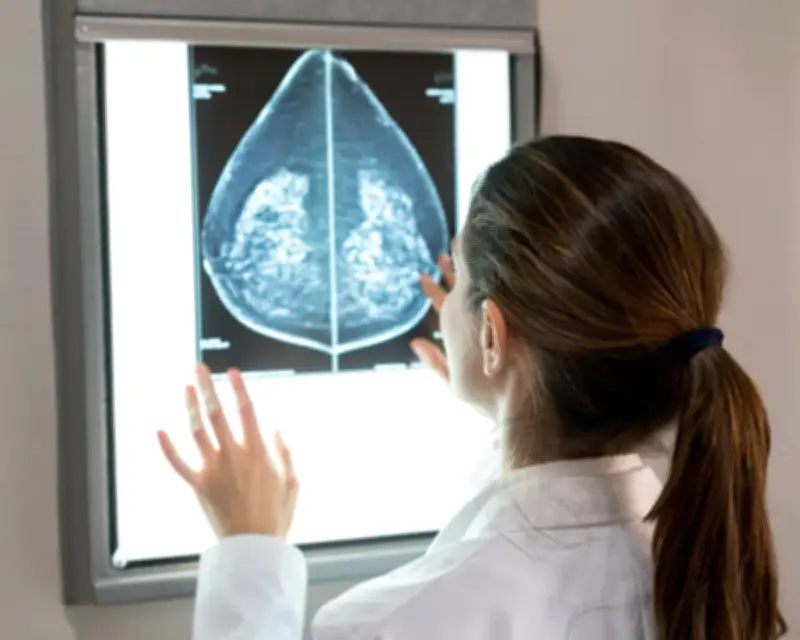
A study published in the journal Circulation suggests that mammograms, commonly used for breast cancer screening, can also help identify women at higher risk of heart disease. The research found that the presence of breast artery calcification—calcium deposits in the walls of breast arteries—visible on a mammogram is linked to an increased risk of cardiovascular events.
Study Findings
The study, which analyzed data from over 5,000 women, found that those with breast artery calcification were 51% more likely to experience a heart attack, stroke, or other cardiovascular event over a 10-year period, compared to those without. The association held even after accounting for traditional risk factors such as age, blood pressure, and cholesterol levels.
Implications for Screening
Dr. Rachel Bond, a cardiologist and co-author of the study, said, "Mammograms are already widely used, and this finding could allow us to identify women at risk for heart disease without additional tests. It's an opportunity to initiate preventive therapies earlier."

The researchers suggest that radiologists could routinely report breast artery calcification findings, prompting women to discuss cardiovascular risk with their doctors. However, they note that more research is needed to determine how best to incorporate this information into clinical practice and whether interventions based on these findings would improve outcomes.