
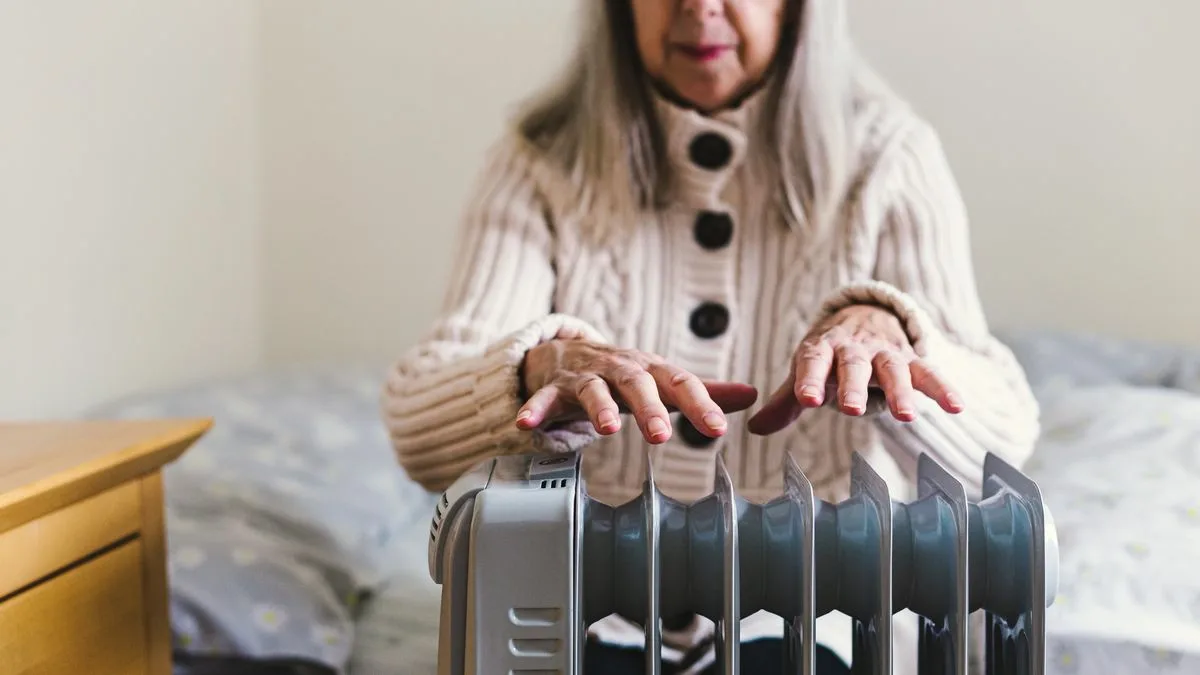
Persistently cold hands and feet could be a warning sign of high blood pressure, a condition often dubbed a 'silent killer', an expert has said. Senior cardiac nurse Regina Giblin, writing for the British Heart Foundation, explained how cold extremities can be linked to circulation problems.
During cold weather, blood vessels constrict, causing blood pressure and heart rate to rise. This forces the heart to work harder, while the body prioritises blood flow to vital organs, leaving hands and feet feeling chilly. Ms Giblin noted that if the heart is not functioning properly or circulation is poor, the hands and feet may feel even colder than usual.
She added that persistent cold hands and feet could also indicate other conditions, including high or low blood pressure, peripheral artery disease, heart failure, thyroid problems, diabetes, anaemia, and anxiety or stress.
Advising people to seek medical help, she said: "If your hands or feet stay cold, even in warm surroundings, and your skin looks pale, blue or blotchy, or you feel tingling, numbness or pain, or see ulcers on your legs, speak to your GP."
Experts at Medichecks and the Cleveland Clinic echoed the advice, noting that poor circulation may be the cause. One common condition is Raynaud's disease, where blood vessels in the fingers and toes suddenly constrict, sometimes causing the skin to turn blue, white or purple. High blood pressure is a leading cause of heart attacks and strokes, yet it often has no noticeable symptoms.




