A study in Greater Manchester has revealed that nine per cent of participants had experienced a heart attack without knowing it, prompting researchers to call for earlier detection of cardiovascular disease.
The EARLY-HF study, conducted at the British Heart Foundation (BHF) Centre at Wythenshawe Hospital, involved 550 volunteers aged over 50. Researchers used cardiac MRI scans, blood tests, ECGs, and medical histories to identify people at risk of heart failure before symptoms develop.
Surprising findings in at-risk group
The study found that 60 per cent of participants had high blood pressure that was not properly controlled or effectively managed, raising their potential risk of a heart attack or stroke. Participants included people with conditions such as high blood pressure, diabetes, and obesity.
Study lead Professor Chris Miller, Consultant Cardiologist at Manchester University NHS Foundation Trust (MFT), said: "We were surprised by how much unrecognised heart disease we found. While the study involves people who would be considered at higher risk of heart disease, finding so many people who had experienced a heart attack and didn't know it was not something we had anticipated."
Patient story: Pete O'Brien
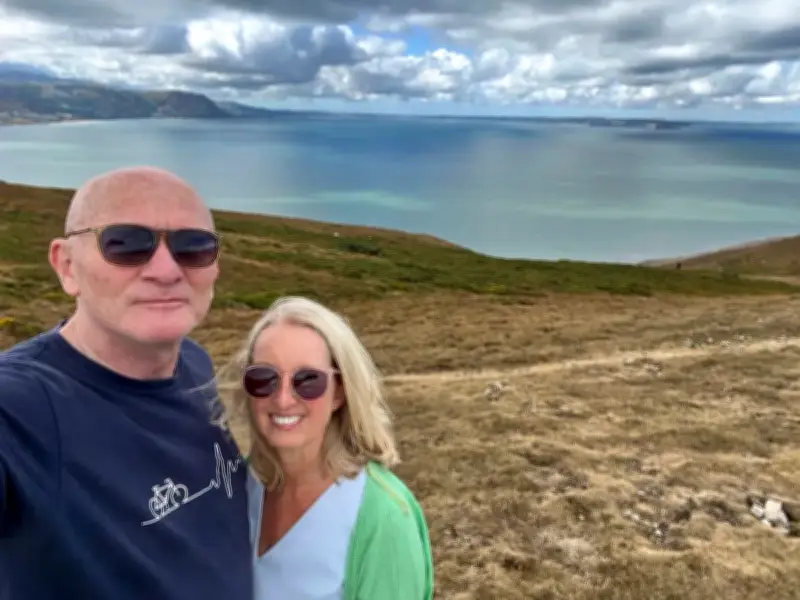
Pete O'Brien, 63, a project manager at Manchester City Council and father of two from Tameside, was among those who took part. He had been feeling "sluggish" but did not believe the tests would find any cause for concern.
He said: "I'd started noticing some limitations some time ago, feeling sluggish perhaps, but there were no specific symptoms that made me think this was something serious. Although it was concerning when the team showed me the results of my MRI and informed me that I had tissue damage consistent with having previously had a heart attack, having the information to know what you're dealing with and the specialists around you to help you manage that, was reassuring."
Impact on health and future care
Heart attacks can damage or scar the heart muscle, which can eventually lead to heart failure, a condition affecting more than one million people in the UK. Heart failure occurs when the heart cannot pump blood effectively, causing symptoms such as breathlessness, ankle and leg swelling, and severe fatigue, and it can be life-threatening.
Prof Miller added: "These figures underscore the need to identify people at risk of heart disease earlier and treat risk factors such as high blood pressure and cholesterol to prevent heart disease developing."
Following the study, Pete's GP adapted his medication and helped him make lifestyle improvements. He said: "I've always exercised a lot but perhaps pushed myself to extremes. My GP encouraged me to stay active but now I've reduced the intensity of my activity and replaced intensity with enjoyment. I'm pleased to say I'm feeling fit and healthy, but in the past, where I would have sprinted up a hill, I now like to walk up it with my wife – and it would be fair to say, I enjoy the experience more."
Pete hopes the study can help others improve their health. He said: "To me, the key is early identification. Naturally, the earlier heart failure or heart failure risk can be identified, the better. I do feel appreciative and relieved that I was able to take part, and I'm thankful that I ticked that box to say yes to taking part in research."
Prof Miller said: "The levels of hidden cardiovascular disease we have identified in Greater Manchester are likely to be reflected in communities across the UK, highlighting the importance of earlier detection and better management of cardiovascular risk factors. Our findings emphasise the need to address disparities in cardiovascular disease detection, healthcare access and outcomes."