A cardiologist has named five UK supermarket foods he would never buy, warning that everyday staples from breakfast meats to packaged snacks could put cardiovascular health at risk. Dr Francesco Lo Monaco, cardiologist and founder of The National Heart Clinic, urges shoppers to rethink what they put in their baskets before long-term damage takes its toll.
Ultra-processed foods and heart risk
The warning comes amid growing evidence linking diets high in ultra-processed foods with an increased risk of cardiovascular disease. In a study involving more than 6,000 adults, researchers found that those eating the most ultra-processed food had a 17 per cent higher risk of cardiovascular disease than those eating the least. Scientists also identified distinct changes in blood molecules associated with these diets, suggesting the relationship between food processing and heart health could go beyond simply consuming too much salt, sugar or saturated fat.
It is not just obvious junk food that deserves attention. The doctor says everyday staples, from breakfast meats to packaged snacks and convenience meals, can all contribute to an unhealthy dietary pattern when eaten regularly.
Five food categories to cut back on
Dr Lo Monaco has identified five food categories he would encourage people to cut back on to help protect their heart over the long term.
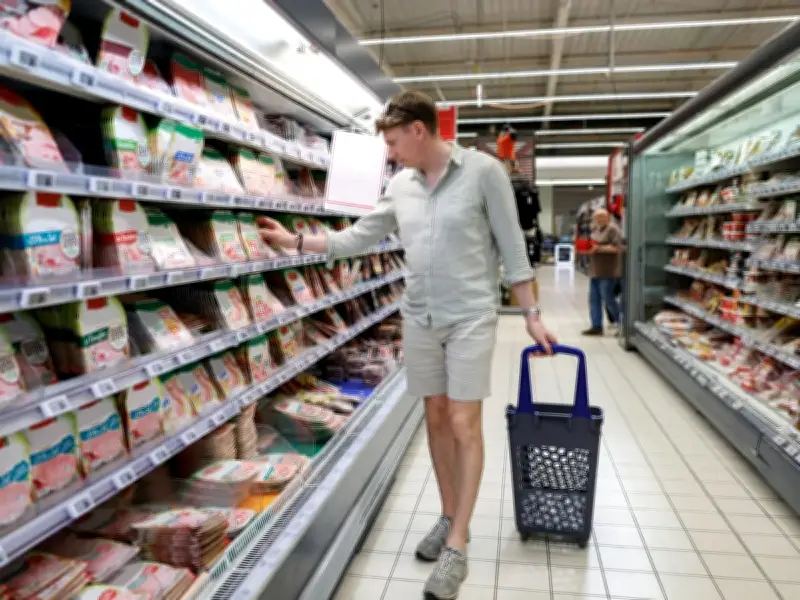
1. Bacon, sausages and sliced ham - He says processed meats are a good place to start. They can contain significant amounts of salt, and regular consumption has been associated with increased cardiovascular risk. Rather than making bacon and sausages the default breakfast choice, consider eggs, beans, mushrooms or fish more often.
2. Sugary fizzy drinks - People often concentrate on what they eat and forget about what they drink, Dr Lo Monaco says. Sugary soft drinks and energy drinks can add considerable amounts of sugar without providing the fibre or nutrients found in whole foods. Water, sparkling water with fresh lemon or unsweetened drinks are better everyday choices.
3. High-salt ready meals - Some supermarket ready meals contain substantial amounts of salt, particularly heavily seasoned dishes and those containing processed meats, he warns. Excess salt can raise blood pressure, putting additional strain on the heart. A quick meal made with tinned lentils or chickpeas, chopped tomatoes and frozen vegetables can be a more nutritious alternative.
4. Packaged cakes and pastries - Muffins, pastries and sweet breakfast treats can easily become everyday habits, the doctor warns. Many contain refined flour and added sugar while providing relatively little fibre. Porridge with berries and nuts or wholegrain toast with nut butter can make a more nourishing breakfast.
5. Crisps and salty packaged snacks - Eating a packet of crisps occasionally is unlikely to be a concern, but regularly relying on salty, energy-dense snacks can mean missing out on more nutritious foods. Unsalted nuts, roasted chickpeas, fresh fruit and plain popcorn are alternatives worth keeping in the cupboard, Dr Lo Monaco said.
Final word of advice
Dr Lo Monaco says people should not assume every packaged food is unhealthy. He said: "We have become very focused on individual nutrients - whether something is low in fat, low in sugar or high in protein - but we need to look at the bigger picture."
"A food can carry a healthy-sounding claim on the front of the packet and still be a poor everyday choice. I would encourage people to turn the packaging around and ask themselves what nutritional value the food is actually providing."
He added: "Don't overlook ordinary foods such as lentils, chickpeas, oats, berries, nuts and oily fish. They might not have glamorous marketing behind them, but they provide many of the nutrients associated with good cardiovascular health."
The aim is not to eat perfectly or eliminate every packaged food. It is to make the foods that support your heart the foundation of your diet, rather than something you eat occasionally.