
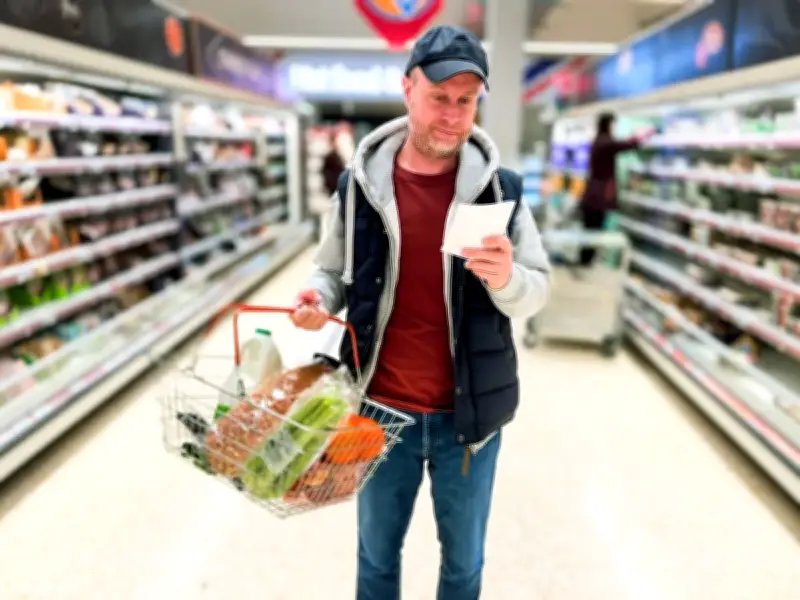
An award-winning UK cardiologist is urging Brits to cut five staples from their daily grocery lists, as they could be quietly causing long-term damage and affecting heart health. Dr Francesco Lo Monaco, founder of The National Heart Clinic, has identified five food categories he recommends reducing to safeguard the heart in the long run.
Ultra-Processed Foods and Heart Risk
A study involving more than 6,000 adults, published in the journal BMC Medicine, found that those who consumed the most ultra-processed foods had a 17% greater risk of cardiovascular disease compared to those who ate the least. Scientists also uncovered distinct changes in blood molecules linked to these diets, indicating that the connection between food processing and heart health may go beyond simply taking in too much salt, sugar, or saturated fat.
But it isn't just obvious junk food that warrants concern. Everyday staples, from breakfast meats to packaged snacks and ready meals, can all contribute to an unhealthy dietary pattern when consumed on a regular basis.
Five Foods to Cut From Your List
Dr Lo Monaco points to bacon, sausages, and sliced ham as a good starting point. These processed meats can contain considerable amounts of salt, and regular consumption has been linked to an increased cardiovascular risk. He recommends that rather than making bacon and sausages the go-to breakfast option, people should consider eating eggs, beans, mushrooms, or fish more frequently.
Sugary fizzy drinks are another concern. The cardiologist cautions that people frequently focus on what they eat and overlook what they drink. Sugary soft drinks and energy drinks can introduce significant quantities of sugar without delivering the fibre or nutrients present in whole foods. Water, sparkling water with fresh lemon, or unsweetened drinks are better everyday options.
Ready Meals, Pastries, and Snacks
High-salt ready meals are also on the list. Some supermarket ready meals contain large quantities of salt, especially heavily seasoned dishes and those containing processed meats. Too much salt can increase blood pressure, placing extra strain on the heart, cautions Dr Lo Monaco. A quick meal prepared with tinned lentils or chickpeas, chopped tomatoes, and frozen vegetables can be a healthier and far more nutritious choice.
Packaged cakes and pastries, such as muffins and sweet breakfast items, can quickly become part of everyday routines. Many of these items are made with refined flour and added sugar while offering relatively little fibre. Porridge with berries and nuts or wholegrain toast with nut butter can provide a more wholesome breakfast, according to the heart doctor.
Crisps and salty packaged snacks are the fifth category. An occasional packet of crisps is unlikely to cause problems, but frequently depending on salty, energy-dense snacks can mean you're missing out on more nutritious food options. Unsalted nuts, roasted chickpeas, fresh fruit, and plain popcorn are alternatives worth stocking in the cupboard.
Look at the Bigger Picture
Dr Lo Monaco says people shouldn't assume every packaged food is unhealthy, though. He states: "We have become very focused on individual nutrients - whether something is low in fat, low in sugar or high in protein - but we need to look at the bigger picture."
"A food can carry a healthy-sounding claim on the front of the packet and still be a poor everyday choice. I would encourage people to turn the packaging around and ask themselves what nutritional value the food is actually providing," he adds.
He also says: "Don't overlook ordinary foods such as lentils, chickpeas, oats, berries, nuts and oily fish. They might not have glamorous marketing behind them, but they provide many of the nutrients associated with good cardiovascular health."
The aim, he concludes, is not to eat perfectly or eliminate every packaged food. "It is to make the foods that support your heart the foundation of your diet, rather than something you eat occasionally."




