Doug Allan, Legendary Wildlife Cameraman for Attenborough, Dies Trekking in Nepal
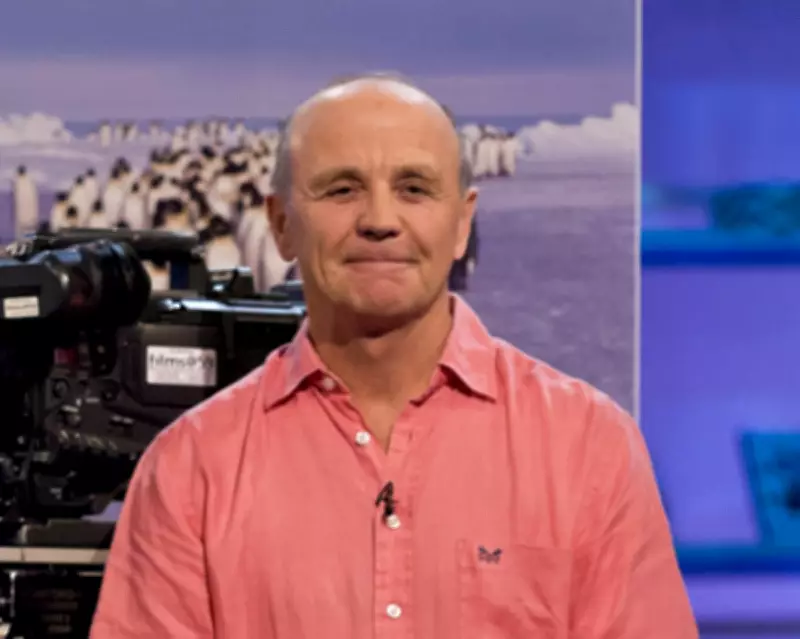
The wildlife film-making community is mourning the loss of a true pioneer. Doug Allan, the award-winning cameraman renowned for his breathtaking work on David Attenborough's acclaimed Planet series, has died at the age of 74 while trekking in Nepal. His management company, Jo Sarsby Management, confirmed his passing, stating he died "immersed in nature and surrounded by friends", a fitting end for a man who dedicated his life to capturing the natural world.
A Visual Legacy Unmatched in Wildlife Filmmaking
Described as a "true pioneer" of wildlife cinematography, Doug Allan's career spanned decades and earned him numerous prestigious accolades. He served as the principal camera operator on several landmark BBC series, including Planet Earth, Frozen Planet, and The Blue Planet. His exceptional work garnered him eight Emmy awards and five Baftas, a testament to his skill and dedication. In 2024, he was honoured with an OBE for his services to broadcast media and environmental awareness.
His management company paid tribute, saying: "A true pioneer of wildlife film-making, Doug captured some of the most breathtaking and intimate moments in the natural world. Doug leaves behind a visual legacy that few could ever match. His work brought audiences closer to the wonders of our planet, inspiring awe, understanding and deep respect."

From Marine Biology to Cinematic Excellence
Doug Allan's journey into wildlife filmmaking began with a strong academic foundation. Hailing from Dunfermline in Fife, he graduated from Stirling University in 1973 with an honours degree in marine biology. His passion for the natural world led him to become a research diver on the British Antarctic Survey station at Signy Island in the South Orkneys in 1976, where his interest in filming first developed.
He specialised in filming in some of the planet's most extreme environments, earning him the Polar Medal not once, but twice, for his contributions. Allan credited a chance meeting with Sir David Attenborough in 1981 as the catalyst for his career change. "He turned up in our base with a small film crew. I helped him for a couple of days and quite literally at the end of those two days I looked at the cameraman and thought, you know, you are doing all the things I like doing," he recalled.
Inspired, Allan purchased a 16mm movie camera on his next Antarctic trip and filmed emperor penguins, selling the footage to the BBC upon his return. "That's where it all started," he said, marking the beginning of an illustrious career.
Thrilling Encounters and Enduring Contributions
Doug Allan's work was not without its dangers and extraordinary moments. In a 2017 interview, he revealed he had spent approximately 620 days of his life searching for and recording polar bears. He described one memorable encounter: "For a brief second, I thought there was someone with a squeegee mop cleaning the outside of the window. I turned around, and it was the bear's wet nose rubbing against the window."
Another close call occurred while filming underwater, when a hungry walrus mistook him for a seal and grabbed his legs. Allan managed to frighten the animal away by striking it on the head with his camera, a testament to his quick thinking and resilience in the field.
Doug Allan's death leaves a significant void in wildlife filmmaking, but his visual legacy continues to inspire generations. His pioneering spirit, captured in countless hours of footage, has brought the wonders of our planet into homes worldwide, fostering a deeper appreciation for nature's beauty and fragility.