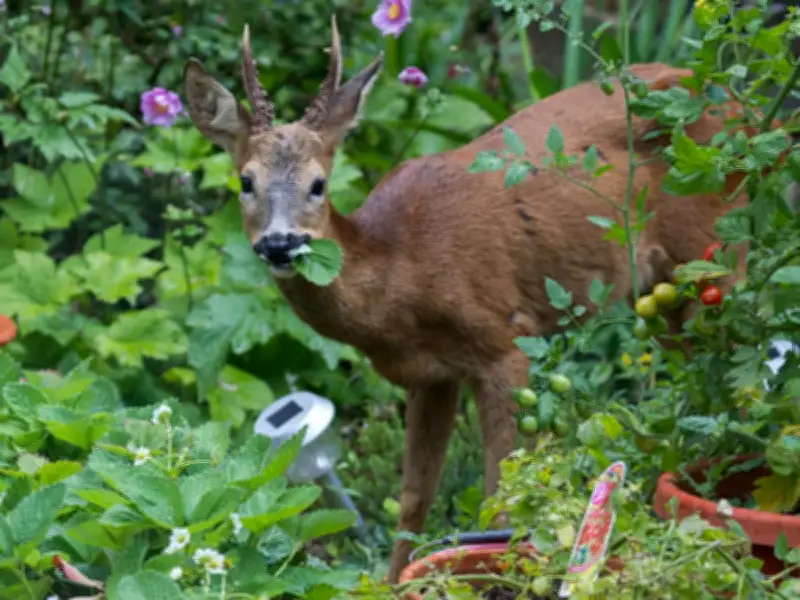
A vet has shared guidance for anyone who has a small deer such as a roe or muntjac visiting their garden, highlighting important legal rules that apply. Nicola Bryden, a vet at online veterinary pharmacy VetMedi.co.uk, said these small deer can be a nuisance because of their large appetite.
“Both muntjac and roe deer frequently visit suburban and rural gardens, particularly those located near woodland or green corridors,” she said. “They can cause considerable disruption by grazing heavily on prize garden plants, shrubs, tree bark and vegetable patches, often stripping flowerbeds overnight.”
Legal protections for deer
Although gardeners may want to protect their plants, the deer also have rights under the law. Ms Bryden said: “In terms of legal protection, wild deer are protected under the Deer Act 1991, which makes it illegal to intentionally harm, trap, or poach them.”
She also pointed to other legal protections that apply to deer. The Animal Welfare Act 2006 states that “all wild vertebrates are protected from acts of cruelty or suffering while under the control or containment of a person.” The Wild Mammals (Protection) Act 1996 “also protects wild mammals in England and Wales from deliberate acts of cruelty.”
Only legal solution
Despite these restrictions, there are options to deter deer from damaging gardens. The vet said: “If deer are causing an issue in your garden, the only legal solution is physical deterrence, such as installing high, secure wildlife fencing or planting deer-resistant species, or growing spikier plants around areas you don't want them to graze. You can also protect new tree shoots with plastic or mesh tree guards.”
Guidance from the British Deer Society takes a similar stance. The group says on its website: “The only real defence against deer is a properly constructed fence which has been correctly tensioned to be effective. The base should be comprehensively dug or turfed in if it is not to be breached.”
“Deer can be quick to exploit the smallest gap and you might be surprised at what they can manage to get through. Lightweight plastic meshes should be avoided as they are not robust enough and the deer can end up tangled in them.”
The society also suggests installing individual plant protection, such as tree tubes, or putting down brash – cut branches and other foliage – to create a “dead hedge” of cut material to shield plants while they grow through it.