Gardeners have been advised that cultivating three types of plants could remove the need to feed birds, according to landscape architect and gardener Bunny Guinness. The tip follows updated guidance from the Royal Society for the Protection of Birds (RSPB) on the risks of flat bird feeders.
RSPB Guidance on Feeders
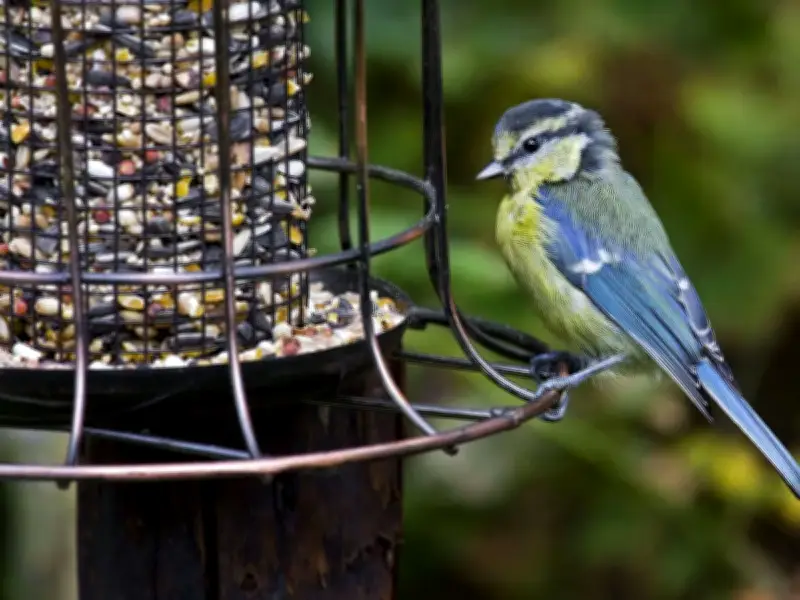
In October, the RSPB recommended that people use hanging feeders, clean them weekly, and refresh water daily. The society highlighted that moist food allows disease to "survive and spread" and that the trichomoniasis parasite can survive in water. It also noted that leftover food might attract rodents and that there is a "higher risk of disease spreading on flat feeders".
Writing in the Telegraph, Guinness said: "If you have a larger garden that provides bird-friendly habitats (such as evergreen and berrying shrubs, and plants which produce great seeds - teasels, clump-forming grasses, sunflowers), there's no need to feed them at all, just make sure there is a clean water source available." She added: "I make an exception on very cold days, when I also break any ice that has formed on water."
Plant Choices for Birds
Species such as house sparrows and blue tits are "comfortable switching their diet" from invertebrates to seeds in the cold winter months, while others continue to eat insects, the RSPB writes. The society emphasises the importance of offering a "wealth of options", including spaces for invertebrates to "thrive".
Sunflower seeds, rich in oil and protein, are especially favoured by finches and sparrows. Teasel (Dipsacus fullonum) is described as an "impressive, statuesque biennial plant" adored by goldfinches.
Related Advice from Alan Titchmarsh
The advice follows gardening expert Alan Titchmarsh encouraging Britons to avoid indiscriminately trimming back perennials in autumn borders, a habit that can harm plants and native wildlife. Speaking on his Gardening With Alan Titchmarsh YouTube channel, he said: "Come November, you might be tempted to wade right through your borders, hacking everything back. Don't. Be selective."
Titchmarsh advised against clearing an entire flowerbed at once, suggesting a plant-by-plant approach instead. He explained that catnip can be cut back once finished, but for hardy geraniums, he cautioned: "Be selective on what you're cutting off there. These straggling shoots down the front, you can take those off, but leave that central green growth. Leave also any plants which are going to offer food to the birds through winter."