Gardeners can replace the need to feed birds by growing three types of plants, according to landscape architect and gardener Bunny Guinness. Writing in the Telegraph, she referenced updated guidance from the Royal Society for the Protection of Birds (RSPB) on the problems linked to flat bird feeders.
RSPB Advice on Feeders
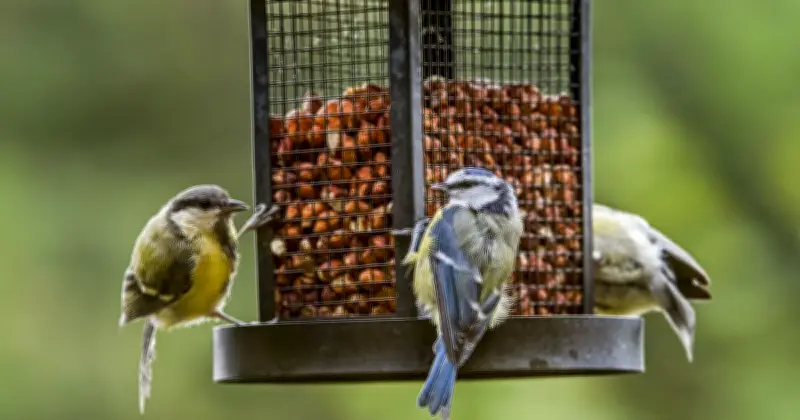
In October, the RSPB urged people to stick to hanging feeders, give them a weekly clean and change the water each day. It cautioned that damp food allows disease to "survive and spread" and that the trichomoniasis parasite can persist in water. It also warned that uneaten food could attract rodents, and that there is a "higher risk of disease spreading on flat feeders".
Plant-Based Alternative
Bunny wrote: "If you have a larger garden that provides bird-friendly habitats (such as evergreen and berrying shrubs, and plants which produce great seeds – teasels, clump-forming grasses, sunflowers), there’s no need to feed them at all, just make sure there is a clean water source available."
She added: "I make an exception on very cold days, when I also break any ice that has formed on water."
Bird Diets and Plant Appeal
Species like house sparrows and blue tits are "comfortable switching their diet" from invertebrates to seeds in the cold winter months, while others will continue to eat insects, the RSPB writes. It stresses the need to provide a "wealth of options", including places for invertebrates to "thrive".
Sunflower seeds, packed with oil and protein, are particularly popular with finches and sparrows. Teasel (Dipsacus fullonum), on the other hand, is an "impressive, statuesque biennial plant" loved by goldfinches.
Related Advice from Alan Titchmarsh
The guidance follows gardening legend Alan Titchmarsh urging Brits to avoid haphazardly cutting back perennials in autumn borders. Speaking on his Gardening With Alan Titchmarsh YouTube channel, he said: "Come November, you might be tempted to wade right through your borders, hacking everything back. Don't. Be selective."
He advised people not to clear an entire flowerbed in one fell swoop, suggesting a plant-by-plant approach instead. He explained: "Things like this catnip here, they peter, that’s pretty much finished, and you can certainly hack into that with your shears and take it back as far as you want."
He also offered a word of caution for hardy geraniums, adding: "But when it comes to things like this geranium here, there’s a lot of green growth on that still. Be selective on what you’re cutting off there. These straggling shoots down the front, you can take those off, but leave that central green growth. Leave also any plants which are going to offer food to the birds through winter."