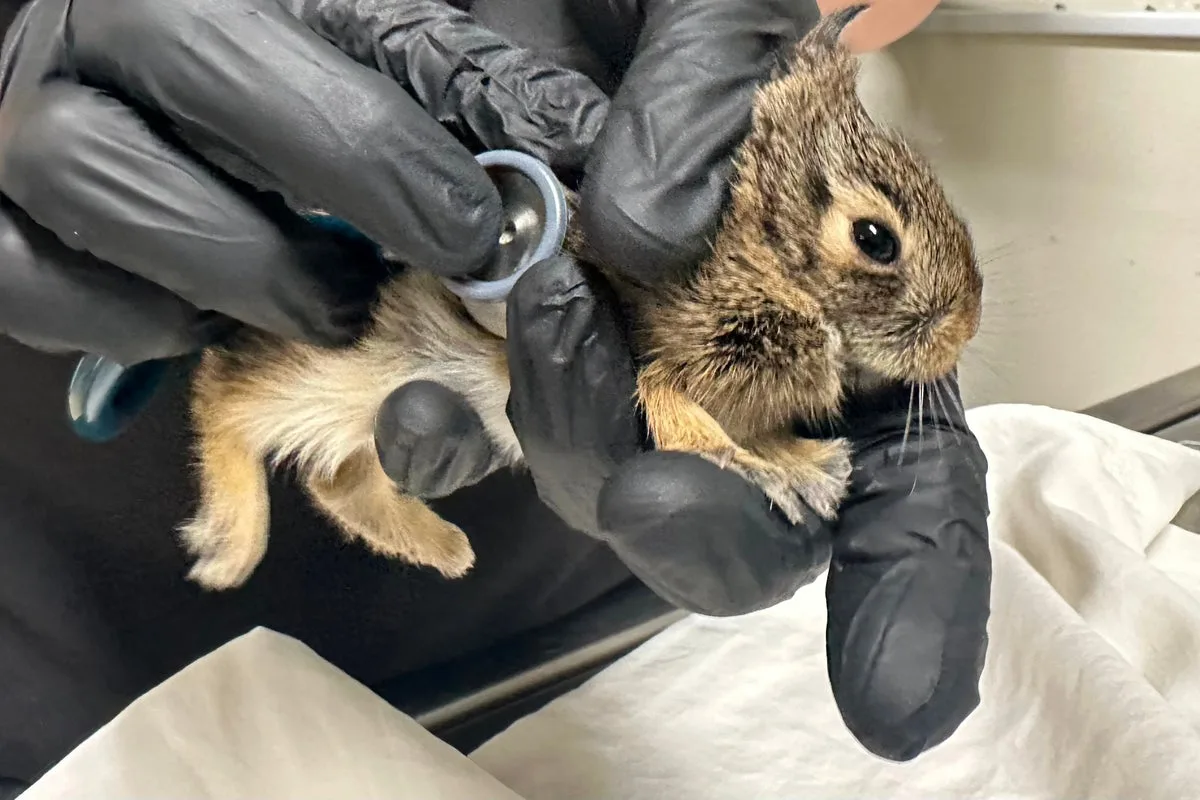
Spring is the season when wildlife bears its young, often in locations close to human habitats. Experts say that with a few precautions, coexisting with these animals is usually straightforward and can be enjoyable.
For four years, a mallard duck named Martha has nested near the front door of Caitlin Deal's home in Eagan, Minnesota. Deal's family keeps their dog on a leash to protect the duck, and her 4-year-old son Owen's first word was 'Duck'. Experts advise leaving nests and baby animals alone, as removing a nest can be illegal under federal law.
Deer fawns are often found hidden in yards, but the doe typically returns after foraging. People should leave fawns alone unless there are clear signs of distress. Canada geese and swans can be aggressive and may cause injury, so distance is recommended. In western states, elk calves may be encountered, and cow elk are highly protective.
In Florida, alligators nest from April to June, and females aggressively guard their nests. Keeping dogs on sidewalks and away from shorelines is key. For animals like raccoons or squirrels that take shelter in unwanted spots, a shop lamp can encourage the mother to move her young within a couple of days.
Experts emphasise staying curious but giving wildlife space. If concerns arise, contacting local wildlife agencies is advised. With simple measures, humans and wildlife can share spaces peacefully.