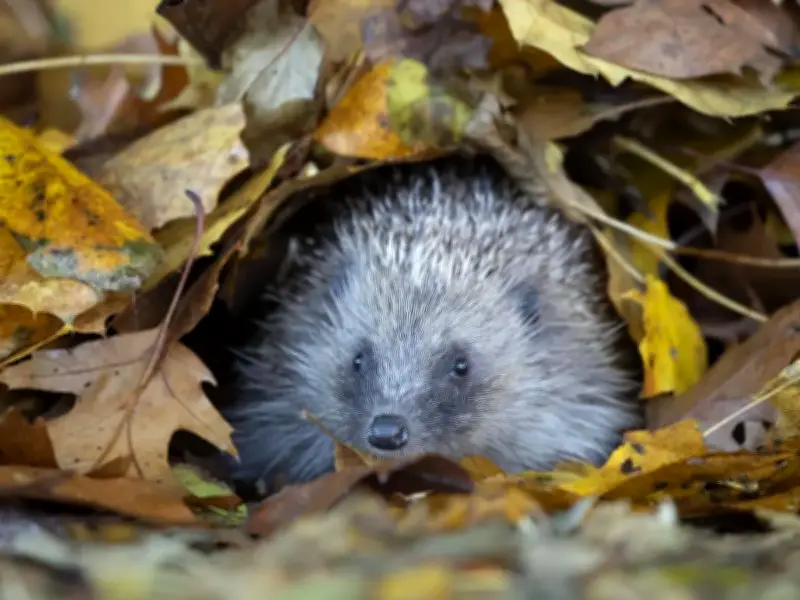
Hedgehogs are among Britain's most beloved creatures, yet their numbers are declining at a worrying rate across the UK. Officially listed as 'vulnerable to extinction' in Britain, almost half of the UK's hedgehog population has vanished in just 13 years, with fewer than 900,000 hedgehogs left in the country according to the RHS — a dramatic decline from an estimated 30 million in the 1950s.
Once a common nocturnal visitor to British gardens, their numbers are plummeting across both urban and rural settings due to a variety of factors. Although hedgehogs are legally protected in the UK from intentional harm or trapping, there remains a significant challenge ahead in rebuilding this treasured wild animal's population.
Why hedgehog numbers are falling
The RHS has identified the primary factors behind the UK's shrinking hedgehog numbers, pointing to habitat loss, declining invertebrate populations, road traffic and increasingly intensive farming practices, with rural areas particularly vulnerable. These charming creatures are also particularly vulnerable to accidents on roads and in gardens, with estimates indicating that nearly a quarter of the entire UK hedgehog population has been killed or injured in road collisions, according to the RHS.
RHS guidance recommends eliminating any hedgehog hazards as a priority, and also suggests that tasks such as strimming are carried out in hedgehog-friendly ways. Once you have ensured your garden offers a safe sanctuary for these mammals, there is one simple measure you can implement to encourage them to visit.
How to entice hedgehogs into your garden
Senior Wildlife Specialist at the RHS, Helen Bostock, has shared a crucial tip for attracting hedgehogs into gardens, and it starts with establishing a shelter for these wild creatures. The British Hedgehog Preservation Society explains why this matters: "Hedgehogs might build a nest underneath [the shelter] and, if left undisturbed for some time, algae and mosses will cover it, attracting insects. They will, in turn, be fed on by larger garden creatures. The dark interior may also encourage slow worms (another predator of garden pests) to seek shelter."
RHS guidance suggests: "Leave some habitat. Build a pile of logs, twigs or leaves to create a larder of juicy grubs and beetles, the perfect menu items for hedgehogs. Hedgehogs are also more likely to be found in gardens that have compost heaps."
The RSPCA echoes this advice: "You can make natural shelters out of piles of logs, leaves or compost (always check for hedgehogs first before moving a pile or lighting a bonfire). You could also buy a purpose-built hedgehog house or find out how to build your own. Hedgehogs like patches of undisturbed brambles too, so try to leave some 'wild areas' for them to enjoy."
Other ways to make your garden hedgehog-friendly
Guidance from the RHS also recommends installing hedges rather than erecting fences, providing vital protection not only for hedgehogs but for a wide range of other wildlife, all of whom can take shelter beneath them. The horticultural experts note: "Promoting a diversity of plants, particularly British natives such as hawthorn, blackthorn, dog rose and honeysuckle, not only benefits wider biodiversity but will also provide food plants for caterpillars, another favourite of hedgehogs."