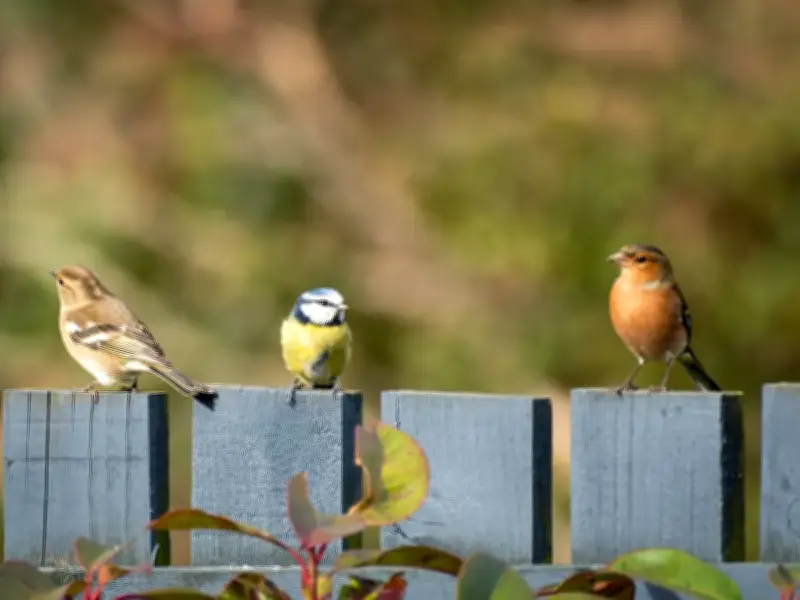
The Royal Society for the Protection of Birds (RSPB) has advised gardeners not to feed garden birds seeds or peanuts until November 1, to help reduce the spread of trichomonosis, a disease that has caused serious declines in UK bird populations including Greenfinches and Chaffinches.
Why the RSPB recommends pausing seed and peanut feeding
As days grow shorter and colder, birds face a natural reduction in their food supply, which is why many people install feeders in their gardens. However, the RSPB warns that feeding seeds and peanuts too early can harm birds.
The charity recommends starting to feed seeds and peanuts only in November, because the parasite trichomonosis spreads quickly during summer and autumn, while colder winter conditions help limit its transmission.
Scientific evidence behind the advice
On its website, the RSPB stated: "Across the UK, trichomonosis has caused serious declines in Greenfinch and Chaffinch populations and may now be causing a rapid decline amongst Bullfinches."
The charity added: "The scientific evidence shows that the risk of trichomonosis outbreaks is highest in summer and autumn. Our Conservation Scientists have worked with other expert partners to find a solution. We now recommend that you pause feeding garden birds seeds and peanuts between 1 May and 31 October. You can continue to offer small amounts of mealworms, fatballs or suet."
Other advice from gardening experts
Celebrity gardener Alan Titchmarsh has also suggested that people plant bird-friendly plants in their gardens. In a post on his YouTube channel, the BBC Gardeners' World presenter said: "This is also a good time to add bird friendly plants to your garden. Berry plants like Callicarpa, the beautyberry, are loved by robins and sparrows. So too is evergreen edging shrub Pyracantha Firethorn with its vibrant orange, yellow, or red berries."
A year earlier, Titchmarsh had discussed installing special boxes where birds can nest or shelter from chilly and wet weather. These boxes also help protect birds from cats, which can kill them, making it important to ensure they are positioned high up. He explained: "There are a couple of things worth bearing in mind. Make sure it’s out of the reach of cats…so above head height generally. And the other is to put it in a sheltered spot."