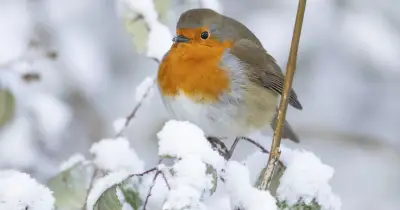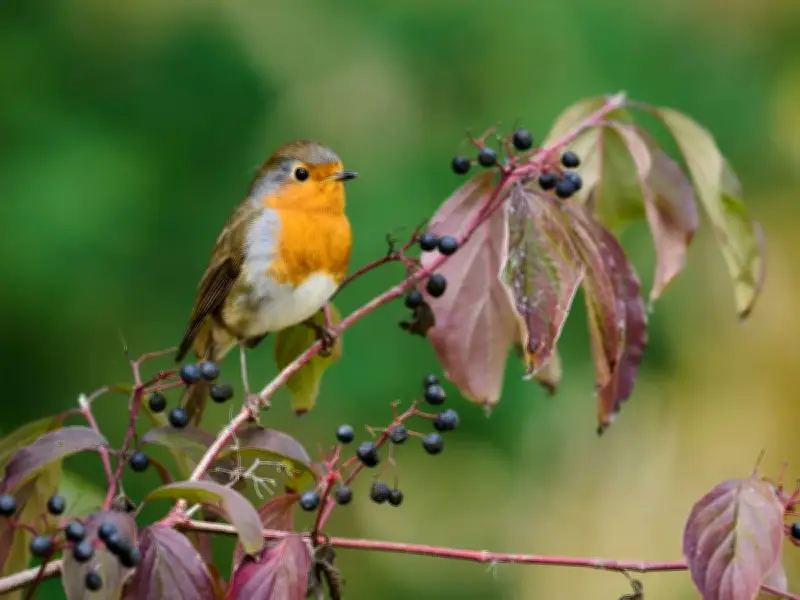
Putting out mealworms can keep robins returning to your garden throughout winter, providing essential protein and calories when natural food is scarce. A single freezing winter night can cause robins to lose up to 10% of their body weight as they burn fat stores to stay warm.
Why robins struggle in cold weather
Birds experience the cold in much the same way humans do, but it can be far more dangerous for them. When temperatures plummet, robins and other birds struggle much more to locate natural food, water and shelter, making it crucial that they receive help where possible.
While robins are not classed as endangered, they face a number of threats, including loss of habitat, dwindling insect numbers and more severe winters.
Why mealworms are the best option
Building up fat reserves is vital for robins at this time of year, but natural food sources such as insects and worms can prove harder to come by in cold conditions. When frost solidifies the ground, insects like worms and grubs become hard to find.
Mealworms, which are loaded with essential protein, healthy fats and crucial calories, can mirror a robin's natural diet far more effectively than bread or typical seed mixes. Experts at TDP advise that mealworms are a brilliant choice for birds, and it is suggested you put out small portions for robins to feed on.
How to feed robins and support foraging
Whether offered live or soaked in warm water to provide hydration, scattering a handful on a bird table or ground feeder keeps garden robins healthy, active and returning to your garden throughout winter.
Leaving a patch of bare soil in your garden can also be hugely beneficial to robins. They typically forage in flowerbeds as they hunt for worms and insects that are drawn closer to the surface. Replicating this by leaving a patch of soil uncovered enables them to search for insects and sustain a natural diet if you forget to put out the mealworms.