Waste management experts are urging households to think carefully about how they dispose of Halloween pumpkins, warning that careless discarding could leave wildlife such as hedgehogs at risk. With Halloween arriving this weekend, millions of pumpkins are expected to be carved and displayed, but many could end up uneaten.
Research from environmental charity Hubbub suggests that roughly 15.8 million pumpkins are left uneaten during Halloween, representing around 95 million meals and £26.7 million worth of edible food. Waste management experts at Wheeldon Brothers are encouraging families to maximise the use of their pumpkins before discarding them, cautioning that poor disposal could lead to needless food waste, environmental harm, and could even affect wildlife such as hedgehogs.
Experts Warn Against Careless Disposal
James Ward, of Wheeldon Brothers, said: "Pumpkins are often treated as single-use Halloween decorations, but many people forget they are still food that can be used long after the celebrations.
"When millions of pumpkins are being bought for Halloween, even a small proportion being thrown away unnecessarily can result in a significant amount of food waste.
"Whether it's cooking with leftover pumpkin, composting it or making sure it goes into the appropriate waste collection, there are simple steps households can take to reduce the amount they throw away."
Top Tips for Pumpkin Disposal
Wheeldon Brothers have shared their top tips for correct pumpkin disposal. First, they advise not throwing away edible pumpkin flesh. Pumpkins purchased for carving can still be used in the kitchen, provided they remain fresh and haven't been tainted by unsuitable decorations or other materials. The flesh works well in soups, curries and stews, while the seeds can be cleaned and roasted for a snack.
James explains: "Before throwing your pumpkin away, consider whether any of it could be used in the kitchen. Even if you've already carved it, the flesh you've removed might still be suitable for cooking.
"The key is to think about how you can use the pumpkin before it becomes waste, rather than waiting until it starts to deteriorate."
Woodland Dumping and Composting
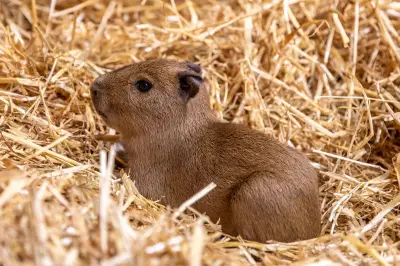
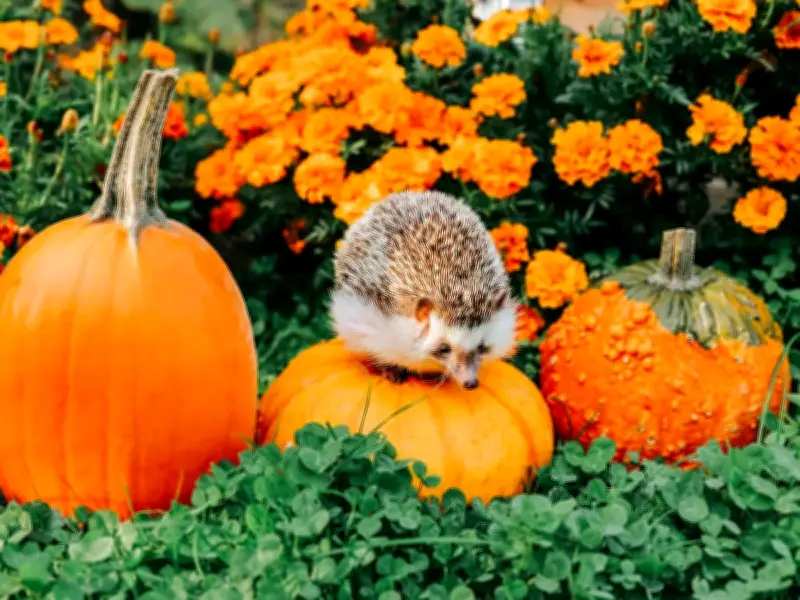
Second, they advise avoiding leaving pumpkins in woodland or outdoor spaces. While dumping pumpkins outdoors may appear to be a harmless way of feeding wildlife, it could actually do more harm than good. The Woodland Trust cautions that discarded pumpkins can trigger stomach upsets in hedgehogs, potentially resulting in dehydration. Rotting pumpkins can also draw in rats and damage woodland ecosystems.
James says: "Some people might think leaving a pumpkin in woodland or a nearby green space is an environmentally friendly way to get rid of it.
"However, just because something is biodegradable doesn't mean it can be left anywhere. Food waste should be managed properly rather than abandoned in public spaces."
Third, for pumpkins no longer fit for consumption, home composting offers a practical alternative. Untreated pumpkins can be chopped into smaller chunks to help them decompose more quickly in a compost bin or heap. Households must ensure they remove candles, plastic decorations and any other non-compostable items beforehand.
Check Local Council Rules
Finally, households without the option of home composting should consult their local council's guidance before getting rid of pumpkins. Certain councils will accept pumpkins via food waste collections, while others may have varying requirements based on the services they provide.
James added: "It's worth checking what your local council accepts rather than assuming pumpkins belong in a particular bin.
"Waste collection arrangements can vary depending on where you live, so understanding the correct disposal method can help prevent recyclable or compostable materials from ending up in general waste unnecessarily.
"Halloween should be enjoyable, but taking a few extra minutes to think about what happens to your decorations afterwards could help reduce unnecessary waste."